Friday, October 5, 2012

BMW 1-Series Urban Line, 2012


  •  BMW 1-Series Urban Line, 2012

The drive-train layout, with a longitudinally mounted in-line engine at the front and rear-wheel drive, is unique in the compact segment. This improves the handling of new BMW 1-Series, and is also reflected in its styling, with its distinctive BMW proportions: long bonnet, wide wheelbase and a set-back passenger cell. The new BMW 1-Series is the embodiment of responsiveness and innovative elegance in a compact car, with a youthful, lively design and high-quality features adding to the excitement.

Compared with its predecessor, the new BMW 1-Series is a car that has done some growing up, and that is reflected in its larger dimensions. It is now 8.5 centimetres longer and 1.7 centimetres wider. However, the height has remained unchanged, and the result is a more elegant, elongated profile. Seen from the front and rear views, the powerful stance of this compact model immediately catches the eye.

The front: striking looks with bold curves.
The front of the car is dominated by the large BMW kidney-shaped radiator grille, boldly shaped headlight units and three-section air intake. The grille is angled forwards, adding emphasis to the challenging stance of this most sporty of compact models, while the surrounding areas catch the light and create a strong sense of three-dimensionality, with four contour lines on the bonnet forming a V that points towards the grille.

The trademark BMW double-round headlights have accent trim across their tops. In combination with the optional bi-xenon headlights, this creates a strongly focused look, powerfully enhanced by the direction indicators set into the inner light rings of the headlights and an LED accent light. This is also the first BMW model to feature side indicator lights built into the exterior mirrors.

Side view: elegantly elongated lines, powerful concave surfaces.
From the side, the proportions of the new BMW 1-Series are even more strikingly apparent. The slightly sloping roof line, sporty, angled rear windscreen and flat side windows give the car a coupé-like feel, while the Hofmeister kink - the low forward bend at the back end of the side windows - extends well into the C-pillar, making the door aperture wider and facilitating entry to and exit from the rear seats.

The design quality of the new BMW 1-Series, which is unique in the compact segment, is particularly evident in the distinctive BMW lines and dramatically curved surfaces. The bold, characteristic BMW swage line gives powerful emphasis to the shoulder area. It starts at the front wing and rises continuously to the rear lights, with the door handle integrated neatly into it. An additional character line below the doors flows sharply upwards into the outline of the rear wheel arch. The sill line provides a similarly dynamic touch, running parallel to the ground before rising steeply at the rear wheel arch, and this is nicely echoed by the outlines of the side windows. The size of the rear wheel arches draws attention to its rear-wheel-drive layout, which underpins the car's excellent driving dynamics.

The rear: compact and sporty with a wide stance.
The wide-set wheel arches reinforce the powerful impression created by the back of the new BMW 1-Series. The rear windscreen extends right across the width of the car, emphasizing its sporty yet compact feel and inviting the viewer to admire the practicality of its flexible luggage compartment. The wide-opening, slightly concave tailgate is opened by pressing the top section of the BMW emblem that sits at its centre.

The rear lights are also set well apart, creating a strong horizontal emphasis that is heightened by their raised surrounds. Where the optional xenon headlights are specified, the rear lights consist of L-shaped banks of LEDs. An additional brake light is set into the roof spoiler. The outline of the rear apron echoes that of the front bumper, while the V-shaped emblem surround leads the eye towards the road surface, visually suggesting the excellent roadholding of the new BMW 1-Series.

The interior: premium finish, dynamic lines, driver-friendly cockpit.
Inside, a combination of typical BMW design features and innovative details gives the new BMW 1-Series a fresh, youthful and modern feel, with a focus on spaciousness and driving pleasure. Lines and surfaces are dynamic and forward-leaning, with high-quality, precision-finished materials reflecting the model's premium specifications. The characteristic BMW driver-focused layout is apparent in the angled displays and controls in the middle of the instrument panel, and the ergonomic contours of the centre console, which is likewise angled towards the driver. The interior surfaces are layered, another innovation which gives the new BMW 1-Series an organic look and feel.

In conjunction with an optional navigation system and the BMW Professional radio, the new BMW 1-Series uses the BMW iDrive control system. This comprises a controller on the centre console, favourites buttons and a freestanding flatscreen monitor. The 6.5 or 8.8-inch high-resolution Control Display, which is integrated into the instrument panel, is used for all information, entertainment, telecommunications and navigation functions.

The air vents underneath this monitor, and the controls for the air conditioning and audio system, are wider than usual, visually emphasizing the generous amount of horizontal space in the interior.

The ultimate in personalization: BMW Sport Line and BMW Urban Line make their debut.
The new BMW 1-Series is the first car to feature the new BMW Lines, opening up a whole new world of possibilities for personalization. An exclusive range of interior and exterior equipment options help to show off the dynamic design and technological sophistication of the car to best advantage. The BMW Lines represent an alternative to the standard specification. They can be combined with any of the exterior paint finishes, equipment packages and individual equipment options available for the new BMW 1-Series.

The BMW 1-Series Sport Line includes sports seats with exclusive coverings, a sports leather steering wheel with red contrast stitching, a red keyclasp, an adjustable armrest, high-gloss black interior trim strips and matt coral red accent strips. The instrument cluster features special Sport numbers and scales. The ambient lighting can be switched between orange and white, and includes additional light sources in the centre console and footwell. Other features of the BMW Sport Line include exclusive 16-inch star spoke light-alloy wheels, black trim for the exhaust tailpipe, and door sill finishers with "BMW Sport" lettering. The bars of the kidney grille, the trim bar in the central air intake, the side intake surrounds and the rear bumper trim are all high-gloss black. Additional options include high-gloss black mirror caps and 17-inch bi-colour light-alloy wheels.

The BMW 1-Series Urban Line includes special cloth/leather seats, a sports leather steering wheel, an adjustable armrest, and contemporary interior trim finishers in acrylic glass. This has a strong sense of depth and is available in white or black with matt oxide silver accent strips. A striking effect is also provided by the ambient and courtesy lights, which can be switched between orange and LED royal blue and white and royal blue respectively. An additional light source on the B-pillar enhances the effect of the illumination.

The distinctive exterior includes special 16-inch V-spoke alloy wheels or optional 17-inch high-gloss white wheels with an angled surface, and white rear bumper trim. Additional design accents on the front include white kidney bars with chrome-plated fronts and a white trim bar for the centre air intake. The side intake surrounds are painted in the same colour as the car, and the BMW Urban Line also includes door sill finishers with "BMW Urban" lettering and a white keyclasp. White mirror caps are available as an option.

The components of the BMW Lines are matched down to the last detail, and create a striking visual impact. Other individually customizable features include a choice of seat coverings, interior trim finishers, accent strips and light-alloy wheels. The range of Original BMW Accessories for the new BMW 1-Series also includes products specifically designed for each of the two BMW Lines, including bags, floor mats and key holders.

The new BMW 1-Series is also offered with numerous design and material options apart from those included in the new BMW Lines. The standard specification includes interior trim finishers in satin silver and Move cloth seats, while options include additional interior trim finishers and accent strips, and Dakota leather seats in a choice of two colours. All upholsteries are also available for the optional sports seats. There are currently three non-metallic and eight metallic exterior paint colours to choose between.

The driving experience: Uniquely dynamic with enhanced comfort.
At launch, the new BMW 1-Series will be available with a choice of five four-cylinder engines, all of them incorporating BMW TwinPower Turbo technology. In the new-generation petrol engines of the BMW 116i and BMW 118i, this combines instantaneous power delivery with exemplary fuel consumption and emissions figures. And a comprehensive array of updates to the 2.0-litre turbodiesel engines in the new BMW 116d, BMW 118d and BMW 120d enable these models too to extend their fuel-efficiency advantage over competitor compact models.

The new BMW 1-Series is the first and only car in its class to offer the option of an eight-speed automatic transmission. A driving experience switch is fitted as standard, enabling vehicle set-up to be changed to suit individual preferences - the precise drive-train and suspension parameters affected vary depending on the specification of the car. The defining characteristic of the driving experience in the new BMW 1-Series is its responsiveness, and this is primarily due to its rear-wheel drive layout and almost perfect 50:50 weight distribution. Sophisticated suspension technology enables it to deliver a ride that is noticeably more comfortable than that of its predecessor. For even sportier handling - without sacrificing any of this ride comfort - there is also the option of Adaptive Suspension with electronic damper regulation.

The new generation of petrol engines: dynamic power delivery and outstanding fuel efficiency thanks to BMW TwinPower Turbo technology.

The 1.6-litre petrol engines making their debut in the BMW 116i and BMW 118i models use BMW TwinPower Turbo technology, consisting of a twin-scroll turbocharger, High Precision Injection, VALVETRONIC variable valve control and Double-VANOS variable camshaft control. This design is based on that of the multi-award-winning 225 kW/306 hp in-line six-cylinder engine with BMW TwinPower Turbo found in models such as the BMW 135i and BMW 135i Convertible. Like that engine, the new four-cylinder units too are part of BMW's EfficientDynamics design strategy, which aims to continually increase driving pleasure while reducing fuel consumption and emissions.

The forced-induction system of the new BMW 1-Series uses the twin-scroll principle, with separate ducts both in the exhaust manifold and the turbocharger itself, each serving one pair of two cylinders. This enables more efficient use to be made of the exhaust pressure waves to drive the turbocharger, so in typical BMW fashion the engine responds instantly to any movement of the throttle. Output is also boosted by VALVETRONIC variable valve control, which is fully integrated into the cylinder head, and Double-VANOS variable camshaft control on the intake and exhaust sides. The patented BMW VALVETRONIC technology steplessly adjusts intake valve timing, rendering the throttle valve of earlier engines obsolete. The amount of air required for combustion is regulated within the engine itself, minimizing throttling losses during gas exchange and improving engine efficiency. The new engines are unusually fuel-efficient, thanks mainly to High Precision Injection. The fuel supply is precisely regulated by magnetic-valve injectors with a maximum injection pressure of 120 bar, positioned centrally between the valves directly next to the spark plug.

The four-cylinder engine of the new BMW 118i, which has an all-aluminium crankcase, has a maximum output of 125 kW/170 hp at 4,800 rpm, and a maximum torque of 250 Nm at between 1,500 and 4,500 rpm. It is exceptionally responsive, accelerating the car from 0 to 100 km/h in 7.4 seconds and on to a maximum speed of 225 km/h. Improved efficiency is reflected in combined-cycle fuel consumption of 5.8 to 5.9 litres per 100 kilometres and CO2 emissions of 134 to 137 grams per kilometre (EU test figures, variations due to differences in the tyres fitted).

The four-cylinder engine of the new BMW 116i too provides significantly improved driving dynamics compared to the predecessor model. It has an output of 100 kW/136 hp at 4,400 rpm and a maximum torque of 220 Nm between 1,350 and 4,300 rpm. What is more, the overboost function temporarily increases this torque figure to 240 Nm between 1,500 and 3,500 rpm, for an extra surge of acceleration. The car takes 8.5 seconds to reach 100 km/h from a standing start, and has a maximum speed of 210 km/h. Fuel consumption over the combined cycle is 5.5 to 5.7 litres per 100 kilometres, and CO2 emissions are 129 to 132 grams per kilometre (EU test figures, variations due to differences in the tyres fitted).

An evolutionary step forward: four-cylinder turbodiesel with BMW TwinPower Turbo technology and even greater fuel efficiency.

Wide-ranging design modifications have enabled the four-cylinder 2.0-litre turbodiesel engines in the new BMW 1-Series to build on their competitive advantage in the areas of output and fuel efficiency. These include aluminium crankcases, reduced engine friction, thermodynamically optimized turbochargers with variable turbine geometry, and next-generation common-rail direct injection with magnetic-valve injectors.

The new BMW 120d represents a significant advance on its predecessor, with a 5 kW increase in maximum output to 135 kW/184 hp at 4,000 rpm, and maximum torque boosted by 30 Nm to 380 Nm between 1,750 and 2,750 rpm. It reaches 100 km/h from a standing start in 7.2 seconds, and has a maximum speed of 228 km/h. Combined-cycle fuel consumption has been reduced to between 4.5 and 4.6 litres per 100 kilometres, with CO2 emissions of 119 to 122 grams per kilometre (EU test figures, variations due to differences in the tyres fitted).

The four-cylinder diesel engine of the new BMW 118d has a maximum output of 105 kW/143 hp at 4,000 rpm, and maximum torque of 320 Nm between 1,750 and 2,500 rpm. The car accelerates from 0 to 100 km/h in 8.9 seconds, and has a maximum speed of 212 km/h. Its combined-cycle fuel consumption is 4.4 to 4.5 litres per 100 kilometres, with CO2 emissions of 115 to 118 grams per kilometre (EU test figures, variations due to differences in the tyres fitted).

The new entry-level BMW 116d, meanwhile, has a maximum output of 85 kW/116 hp at 4,000 rpm, and maximum torque of 260 Nm between 1,750 and 2,500 rpm. It accelerates from 0 to 100 km/h in 10.3 seconds, and has a maximum speed of 200 km/h. Its combined-cycle fuel consumption is an outstanding 4.3 to 4.5 litres per 100 kilometres, with CO2 emissions an equally impressive 114 to 117 grams per kilometre (EU test figures, variations due to differences in the tyres fitted).

Eight-speed automatic transmission: sporty, fuel-efficient, and unique in a compact car.

The standard six-speed manual petrol and diesel versions of the new BMW 1-Series offer efficient power transmission and precise gear changes. In addition, the BMW 1-Series is the only compact car also available with the option of an eight-speed automatic transmission, offering fast, smooth gear changes and excellent fuel efficiency. The innovative architecture of its wheel set allows more gears and a better spread of ratios, with barely any increase in weight over the existing six-speed automatic gearbox for the BMW 1-Series. In fact, the unusually high efficiency of the eight-speed automatic transmission means that fitting it to the most powerful new BMW 1-Series models actually results in lower fuel consumption and CO2 figures than with a manual transmission.

The Steptronic function used in the automatic transmission allows gear changes to be initiated manually using the electronic selector lever. A further option for the BMW 120d is the eight-speed sports automatic transmission, which enables even more dynamic gear changes, and includes shift paddles on the steering wheel.

Perfect handling and increased comfort: high-quality suspension technology, even weight distribution and improved stability.
Read More

Audi A6 Hybrid, 2012


  •  Audi A6 Hybrid, 2012

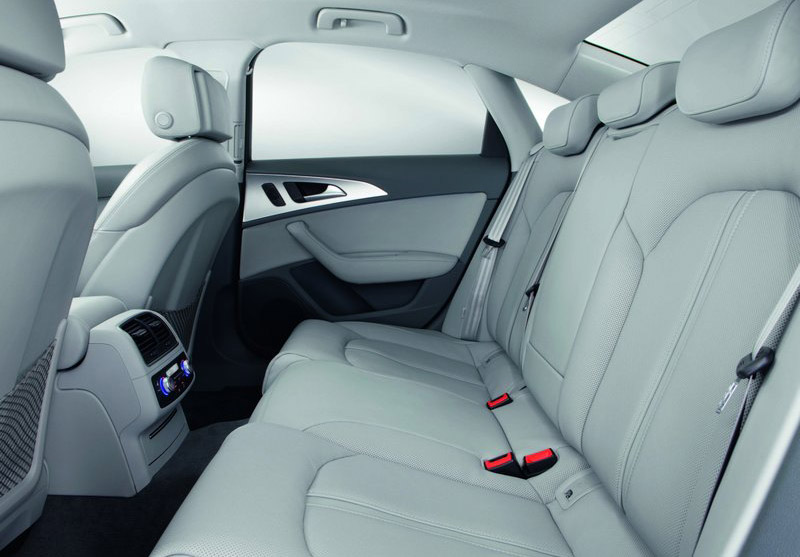
In the near future, Audi will begin series production of the Audi A6 hybrid, its second hybrid model after the Q5 hybrid quattro. The Audi A6 hybrid employs an efficient parallel hybrid concept: Its combustion engine, a 155 kW (211 hp) 2.0 TFSI, works together with an electric motor that delivers 33 kW (45 hp) and 211 Nm (155.63 lb-ft) of torque. The electric motor sits directly behind the TFSI, occupying the space of the torque converter upstream of the modified 8-speed tiptronic. The transmission sends torque to the front wheels.

A crash-protected area of the luggage compartment houses a light, compact lithium-ion battery that provides 1.3 kWh of nominal power and generates 39 kW. Depending on requirements, it is air-cooled in two ways - by means of a blower from the interior or by means of an internal refrigerant circuit coupled to the automatic air conditioning system. This technology largely maintains the rechargeable battery within the appropriate temperature range, thereby ensuring that the vehicle operates on electric power a comparatively large percentage of the time.

The Audi A6 hybrid can achieve speeds of up to 100 km/h (62.14 mph) purely on electricity; at a constant speed of 60 km/h (37.28 mph), it has a range of 3 km. It can also operate with the combustion engine only or in hybrid mode; in the deceleration phases, it recovers power and activates both the engine and the electric motor together when accelerating quickly. Special indicators on the instrument cluster and on the MMI monitor provide of detailed display of the different driving conditions.

The Audi A6 hybrid provides the power of a V6, combined with the fuel efficiency of a four-cylinder engine. It accelerates in 7.3 seconds from zero to 100 km/h (62.14 mph), top speed is 238 km/h (147.89 mph) and the average fuel consumption is 6.2 liters per 100 km (37.94 US mpg), a CO2 emissions level of 142 grams per km (228.53 g/mile).
Read More

Thursday, October 4, 2012

Fiat Freemont AWD, 2012


  •  Fiat Freemont AWD, 2012

The Fiat Freemont evokes a sense of freedom, and the feeling that this vehicle can face up to any situation that everyday life might bring. Today, with the new AWD (All-Wheel Drive) version, the model further accentuates its multi-faceted soul created by crossing the versatility and presence on the road characteristic of a SUV, the typical handling of a station wagon and the 7-seat passenger room of an MPV.

The Fiat Freemont AWD is the four-wheel drive version matched with the 170 HP 2.0 MultiJet 2 and 280 HP 3.6 V6 petrol engines, both offered with the new six-speed automatic transmission. It is a technologically sophisticated and completely automated system that allows the driver to control the vehicle in extreme conditions in total safety. The new all-wheel version aims at consolidating the already remarkable results so far achieved. In just six months of sales, the first Fiat vehicle produced from the partnership with the Chrysler Group won more than 25,000 orders to become the best-selling 7-seat car today in Italy.

All-wheel drive for the greatest safety under all driving conditions
The Fiat Freemont AWD active four-wheel drive system is on-demand, and it is equipped with an electronic control unit which uses sensors to detect the grip of the four wheels and decides when to transmit traction to the rear. The system intervenes on surfaces where the wheels may not have good grip (mud, snow, ice...) to ensure maximum traction and no limits to the routes the vehicle can take, or in the case of asphalt surfaces, to ensure additional traction and greater safety on bends.

Specifically, the electronic system modulates torque transfer through the use of electronically controlled coupling (ECC). Since it only operates on demand, the system contributes to containing fuel consumption. In addition, ECC on the AWD system is more flexible and more accurate than a viscous coupling or a Torsen® system. In addition, the control unit also interfaces with the ESP and the traction control system.

Multijet 2 and 3.6 V6 petrol engines with six-speed automatic transmission
The new AWD version can be equipped with the 170 HP 2.0 MultiJet 2 with variable geometry and the powerful Chrysler Group Pentastar 3.6 litre engines. Both engines are combined with a new six-speed automatic transmission that ensures excellent performance together with precise and quiet operation to provide ultimate comfort and drivability.

25,000 orders in 6 months for the best-selling 7-seat crossover in Italy
The new all-wheel version aims at consolidating the already remarkable results so far achieved. In just six months of sales, the first Fiat vehicle produced from the partnership with the Chrysler Group won more than 25,000 orders to become the best-selling 7-seat car today in Italy.

The model is also winning over new types of customers coming from other areas and who are approaching the Fiat brand for the first time. As many as 65% of them are target customers, one of the highest values ever obtained by a Fiat car. Moreover, these figures are certified by results no less important as far as customer satisfaction is concerned. The first market analyses show that the Fiat Freemont has met with the highest level of satisfaction for a Fiat model since the 500 was launched.
Read More

Opel Adam, 2013


  •  Opel Adam, 2013

With the all-new ADAM, ais entering the fashion-led A-segment with a chic, small, urban car. The Opel ADAM combines bold, powerful design with potential for almost unlimited personalization, making each ADAM totally unique. It also provides premium technologies from upper segments, including a new onboard infotainment system which integrates the owner's smartphone in the car (Android and Apple iOS) and thereby makes internet-based applications available in the cabin.

Measuring almost 3.70 meters in length (1.72 meters width excl. mirrors), the agile three-door is perfect for urban environments. Inside its cabin, the Opel ADAM offers seating for four people who will benefit from its premium-inspired atmosphere and a high degree of roominess unusual for a small car. In the A-segment, Opel already offers the Agila which impresses with its practical strengths. Now the new sporty and elegant Opel ADAM targets especially trendy urban customers who are looking for a car that expresses their personal style. Experts predict the lifestyle-orientated sub-segment to grow steadily over the next years.

The Opel ADAM will initially be offered with three efficient gasoline engines (1.2 l 51kW/70 hp, 1.4 l 64 kW/87 hp and 1.4 l 74/100 hp) combined with a five-speed manual transmission. All powertrains are available with an ecoFLEX technology pack including fuel-saving Start/Stop technology. Later on, a new generation small gasoline engine will make its premiere in the ADAM, featuring direct injection turbocharging for further enhanced efficiency and performance. This new engine will be combined with a completely new generation six-speed manual transmission.

Customize: "Almost unlimited" choices
Opel ADAM innovates and introduces a totally new trim approach. Rather than having the well-known trim hierarchies, customers can choose from three different highly individualized trim moods or worlds: JAM is unconventional, fashionable and colorful, GLAM offers a more elegant, refined and sophisticated setting and SLAM appeals to those with energetic and sporty attitudes. ADAM JAM, ADAM GLAM and ADAM SLAM: these three "mood" worlds set the stage for a virtually unlimited potential for personalization with a wide choice of exterior colors, three roof colors, different interior colors, decors and various headliners -including an LED lit "starlight" roof trim - and other premium inspired distinctive design elements.

Select: Bold exterior with iconic silhouette and premium inspired interior

ADAM introduces Opel's award-winning philosophy of "sculptural artistry meets German precision" to the fashion-led A-segment. And unlike other rivals, Opel ADAM bucks the trend of retro-based design with a modern and bold look.

Opel ADAM's striking and unique "floating" roof which is visually disconnected from the body allows a perfect execution of a two-tone color combination. The car's name badge is - unlike with most other cars - placed at the end of the chrome "signature" window molding on the rear pillar, which adds to its unique appeal. In the wide front grille, the ADAM has the new wing-shaped chrome bar with the embossed Opel emblem as introduced in the new Astra line-up. On the flanks there are design cues such as the blade shape in the lower door and the characteristic crisp "shock wave" around the door handles known from the Astra GTC. The headlamps feature wing-shaped daytime running lights (DRL) typical for Opel. For the first time in the A-segment, both the headlamps and the taillights are available with state-of-the art energy-saving LED technology.

The interior design delivers what its upmarket exterior promises: style and premium inspired ambience in a remarkably spacious environment for a small car. With sculpted, harmonious surfaces and graceful flowing lines just like its bigger brand brothers Astra, Meriva and Insignia, the ADAM rounds off Opel´s brand promise in its latest and smallest declination. The round, chronograph-style instruments and chrome bezeled switches convey an aura of sporty precision.

Connect: With upscale equipment including smartphone integration
Opel ADAM is the first car with Opel's all-new state-of-the-art infotainment system that not only brings its owner's smartphone capabilities to the vehicle but also adds further value to them, offering even more convenience and flexibility than a conventional system. The new system is exclusive to the A-segment because it not only offers smartphone connectivity for Apple iOS software but is also compatible with Android operating systems.

The new infotainment system makes selected smartphone content including internet based applications such as GPS navigation available in the cabin. It collects the content and displays it on the seven-inch, high-resolution and full-color touch screen which also provides quick and intuitive access to various user friendly control-functions via five easy to navigate menus.

In addition, new media sources such as MP3 players, iPodsTM and tablets can be brought to the Opel ADAM thanks to BluetoothTM and USB connectivity. There is a plug-in outlet for music devices that do not use USB or BluetoothTM connections. Opel ADAM owners who wish to enjoy a video or personalized slide show, can do so when the car is stationary.

Activate: Upscale advanced technologies for the first time in the A-segment
Opel ADAM introduces many upscale and innovative technologies into the A-segment that can usually only be found in higher segments. For the first time it makes the new generation Advanced Park Assist (APA II) available. Drivers engage the system with a button on the dashboard and it tells them when they pass a parallel parking space large enough to accommodate the car. The system then automatically steers them into the parking space, with the driver just controlling the brake, clutch and gears. It always comes in combination with Side Blind Spot Alert (SBSA) which also uses ultrasonic sensors. Another first in the A-segment is the heated steering wheel which adds another premium touch to Opel ADAM's cabin.

Ride: Agile and crisp chassis with ESP standard on all ADAMs
Opel ADAM's bold stance is further emphasized by its broad footprint (front track: 1485 mm/ rear track: 1478 mm). Its chassis with a wheelbase of 2311 mm is geared towards maximum active safety and comfort. MacPherson struts with a sub-frame have been fitted to the front axle. The rear axle of the Opel ADAM features a torsion beam compound crank design. Wheel sizes range from 15" to 18", and cars that are specified with 17" or 18" rims come standard with a more responsive Sports chassis and steering feeling. The Opel ADAM's Electrical Power Steering (EPS) includes a dedicated CITY mode which at the flick of a switch increases power assistance at lower speeds - particularly useful for maneuvering. The comprehensive ESP of the latest generation is also standard in all ADAMs and comes complete with many useful sub-functions such as Hill Start Assist.

A high level of passive safety is ensured by an ultra-rigid passenger cell mainly made from high-strength steel. This is complemented by front, side and head curtain airbags as well as Dual Seat Belt Pre-tensioners at the front seats which offer additional knee and leg protection. Other safety features include two sets of ISOFIX points plus top tethers in order to easily and safely attach child seats on the 50:50 split foldable rear bench.

The all-new Opel ADAM will be available to order after its official world premiere at the 2012 Paris Motor Show (September 29 - October 14, 2012). First cars will hit the showrooms in January 2013.
Read More

Wednesday, October 3, 2012

Land Rover Freelander 2, 2013


  •  Land Rover Freelander 2, 2013

Land Rover has given the Freelander 2 a premium overhaul, delivering even better comfort, convenience and driving enjoyment. New derivatives, colours, exterior design features, upgraded equipment levels and continued choice of refined and economical diesel engines, all contribute to make this SUV even better.

The interior equipment levels soar to new heights in the Land Rover Freelander 2 with a host of fresh and exciting features including three new colour ways as part of a 'Dynamic' derivative, brand new centre console, 7-inch colour touch-screen with enhanced audio systems from Meridian and optional satellite navigation.

Passive start replaces key dock and there's a new 'intelligent' electric parking brake which adjusts brake force according to the slope the vehicle is parked on. 'Say What You See' - a voice activation system with visual prompts, and rear view camera capability are also both new to the Land Rover Freelander 2.

Exterior design details have been revamped for an integrated and co-ordinated appearance, including more contemporary lights front and rear using the latest LED technology and a new signature graphic in the front running lights. The XS model gains all-new 17-inch alloy wheels and an enhanced bodystyling pack.

All these great new features are underpinned by the fact that the Freelander scores 5 stars in the coveted Euro NCAP for occupant safety. As the most capable SUV in its class, the Land Rover Freelander 2 offers the durability and sure-footed all-terrain breadth of capability both on and off road that only a Land Rover can provide.

An interior packed with exciting features
New features and more convenient equipment options bring a host of improved benefits to customers looking for a modern, all-terrain, multi-purpose vehicle.

The first thing you notice when entering the Land Rover Freelander 2's contemporary looking cabin is a brand new centre console. The original Terrain Response® dial has been replaced by switches and a shutter reveals additional storage space.

A new 'Dynamic' derivative becomes available, which comes in three new interior colours; Ebony, Ivory or Pimento, each with matching stitching and co-ordinated door casings to complete the look.

A crisp new instrument cluster with a 5-inch screen displaying primary vehicle-related information, such as temperature and fuel levels, gear positions and Terrain Response mode, now sits between the dials across the Freelander model range, complemented with steering wheel toggle switches to operate the clearest of drop down menus and vehicle set-up details.

Cabin space and safety are improved with the introduction of an intelligent electric parking brake which adjusts brake force according to the slope the vehicle is parked on. The system is so intelligent it even takes into account whether the brakes are hot or cold. If hot, the system 'wakes up' periodically to ensure clamping force is not lost as the brakes cool down. Despite being operated by a single switch, the electric parking brake may still be used as an emergency brake, automatically selecting the most stable braking method by employing skid prevention techniques. An additional safety feature ensures the brake cannot be released unless the driving seat is occupied.

More convenience comes in the form of Passive Start which replaces the key docking system, meaning that as long as the key is somewhere inside the car, the engine starts at the touch of a button.

Another new feature for Land Rover Freelander 2 is rear view camera capability. The view from the back of the vehicle is displayed on the Infotainment screen with dynamic lines representing the boundaries of the vehicle and your predicted path as you reverse. The system also incorporates 'Hitch Assist', a graphic superimposed on the camera showing the position of the tow ball.

The new 'Say What You See' voice activation system will prompt the driver visually with the commands he or she needs to speak in order to control functions in the audio, optional satellite navigation, climate and phone systems. The prompts are displayed in an easy-to-follow 'step by step' format on the screen.

The navigation system is enhanced with a faster hard drive-based system which comes with all the features the customer would expect such as ECO Route planning, Dynamic Zoom, Visual Lane guidance, POI (Point of Interest) management and repeat TMC guidance. You can also manage waypoints and store locations as well as POIs by name.

Infotainment moves up a level
For the first time on Land Rover Freelander 2, the premium Meridian audio system is available with a choice of 380W or 825W. The outstanding Meridian sound system is delivered with a new 7-inch colour touch-screen and either the 380W, 11-speaker system for exceptional stereo sound quality or the impressive 825W surround sound 17-speaker system with Trifield technology to provide a natural, enveloping concert-like experience for all occupants. Both are equipped with subwoofers for a deep, bass sound and Audyssey MultEQ audio tuning system. A new and upgraded 80W 8-speaker unit with 5-inch colour display screen is also available at entry-level.

Equipped with AM/FM and DAB radio tuners, the music players support CD, DVD, Virtual CD, iPod and USB. There's also a 3.5mm aux jack input for music players and Bluetooth audio streaming to any supporting devices including headphones. The virtual CD comprises a hard drive which can store the equivalent of up to 10 Audio CDs identifiable using Gracenote.

Sharp detailing to the exterior
Three stunning new colours are added to the Freelander range, Aintree Green, Havana and Mauritius Blue, whilst an additional all new 17-inch alloy wheel design becomes available as standard on the XS derivative.

Exteriors gain a number of new integrated design features resulting in a co-ordinated and premium appearance. Boasting the latest in Xenon LED technology, the front and rear lamps have been revamped giving the Land Rover Freelander 2 a sportier yet purposeful new look, set off with a new signature graphic in the front running lights. The grille and fog lamp bezels now sport a bright finish and there are paint detailing changes to the front grille surround, insert bars and fender vent to harmonise the different elements.

How the models line up
Entry level to the range is the Freelander S with cloth seats as standard. The GS comes with full leather whilst the XS has been enhanced with distinguishing detail features such as a gloss black grille surround and the 380W Meridian sound system. The Dynamic version has a full bodystyling kit, and a gloss black finish to fender vents, grille bars and grille surround, complemented on the interior with three colourway choices of sport-themed electric leather seats. New and unique to the Dynamic in the UK are 19-inch 10-spoke alloy wheels with a painted finish.

The HSE is enhanced with wood interior trim and features a wide range of standard equipment including: panoramic sunroof, memory function for the driver's seat and door mirrors and the 825W Meridian surround sound audio system.

Top of the range is the new HSE LUX which adds that extra special touch with Windsor leather seats, Grand Black Lacquer finisher, premium carpet mats and 19-inch Diamond Turned Wheels.

Refined and economical diesels
Freelander buyers can continue to choose from two outstanding and highly refined diesel engines, the 2.2-litre 150PS TD4 and 190PS SD4 with four-wheel drive. For extra economy, the 2.2-litre 150PS engine is also available in eD4 two-wheel drive form. Equipped with six-speed manual transmission and Stop/Start, the eD4 achieves an impressive 47.1mpg (6.0 L/100km) and CO2 emissions of 158g/km.

The diesels were updated for 2011, a new turbocharger improving response and increasing maximum torque by five percent to 420Nm. They were also equipped with a standard DPF, reducing particulates by 80 percent. At the same time NOx emissions were reduced by 28 percent and the response time of the Stop/Start system was improved by 22 percent. Other improvements aimed at improving efficiency included a revised shifting strategy on the automatics, low drag engine oils and revised bearing designs whilst noise levels were reduced by 2dB.

Saving every last drop of fuel with smart charging
All Freelanders are equipped with Land Rover's Intelligent Power System Management (IPSM) which includes Smart Regenerative Charging. This feature ensures that, where possible, the alternator only charges the battery as the vehicle is decelerating, recovering kinetic energy rather than consuming fuel. IPSM was designed as part of Land Rover's e_TERRAIN TECHNOLOGIES programme which aims to continually improve engineering efficiency in every Land Rover.

Traditional Land Rover safety, durability and capability
Four wheel drive models (TD4 and SD4) are all equipped with the same, class leading, intelligent four-wheel drive system as before. The system responds to changes in grip in 150 milliseconds to adjust torque between front and rear axles. Terrain Response® optimises the electronic systems for conditions and there are four settings, General Driving, Grass-Gravel-Snow, Mud & Ruts and Sand. Gradient Release control ensures smooth hill starts both ascending and descending for absolute safety and driver confidence on any surface.

When it comes to on-road handling dynamics, the Land Rover Freelander 2 is top tier, thanks partly to the outstanding body stiffness. A structural undertray on the front subframe contributes to this, increasing steering precision, while the Freelander 2's four-point engine mounting aids engine stability and increases driving refinement. A full range of stability systems provide a further safety net for the occupants including, Anti-lock Braking System (ABS), Electronic Traction Control (ETC), Electronic Brake-force Distribution (EBD), Cornering Brake Control (CBC), Emergency Brake Assist (EBA), Dynamic Stability Control (DSC), Roll Stability Control (RSC) and Engine Drag Control.

Naturally, the Land Rover Freelander 2 earns a 5 star Euro NCAP award for outstanding adult occupant protection, with seven airbags in total, including two curtain, two front, two thorax and a driver's knee bag.
Read More