Monday, October 1, 2012

Opel Combo, 2012


  • Opel Combo, 2012

The new generation Opel Combo offers clever solutions in the compact van segment. It comes in a wide range of variants, is technically advanced, exceptionally economical and provides maximum utility.

The panel van version now offers a choice of two wheelbases - 2,755 mm or 3,105 mm - giving an overall vehicle length of 4.39 and 4.74 meters respectively, as well as two roof heights, 1.85 m or 2.10 m. The new Opel Combo is also available as a versatile car-van, with five or seven seats and a paneled or glazed body.

For easy access to the cargo area, van variants can be ordered with one or two optional sliding doors. The passenger car version has both sliding doors fitted as standard and comes with a top-hinged tailgate. An asymmetrical double wing door is also available. In certain panel van configurations, an additional rear roof hatch can be installed to transport ladders, for example.

Best-in-class load-carrying dimensions
The special load-carrying talents of the new Opel Combo are immediately apparent: with up to 3,800 liters of cargo space in short wheelbase form (with seat folded down) and 4,600 liters with the longer wheelbase, the Combo offers the largest load volume in both classes. Its low 54.4 cm loading height and spectrum of possible payloads up to one ton are best-in-class values, while the aperture width of the sliding door is also a top value in the segment. The short wheelbase version also offers a cargo deck with the greatest length, height and width between the wheel arches.

Economical and powerful engines
The new Opel Combo is available with six engines: four diesel, one gasoline and a CNG (Compressed Natural Gas) unit. The diesel line-up comprises 1.3 CDTI and 1.6 CDTI motors, each with 66 kW/90 hp, as well as a 1.6 CDTI variant with 77 kW/105 hp and a top performance 2.0 CDTI unit providing 99 kW/135 hp.

The 1.4-liter gasoline engine delivers 70 kW/95 hp, while the CNG version, which runs on low-cost and environmentally-friendly natural gas, delivers 88 kW/120 hp.

The gasoline and 1.3 CDTI engines are fitted with five-speed manual transmissions, while the CNG engine and the more powerful CDTI units have a six-speed manual transmission. The 66 kW/90 1.6 CDTI is also offered with Opel's 'Easytronic' automated five-speed manual transmission.

With the exception of the CNG and Easytronic units, all powertrains are optionally available with Start/Stop functionality to deliver even lower fuel consumption and emissions.
The new Opel Combo is not only easy on the budget with its low consumption, it also offers low running costs, not least due to long maintenance intervals. The CDTI diesels, for example, only need to be serviced every 35,000 kilometers or once a year.

Extensive equipment to ease the working day
Even the base specification of the new Combo generation includes generous standard equipment, including central locking, power steering, a height and reach adjustable steering column, electric windows, and a four-way adjustable driver's seat (also optionally available with height adjustment), as well as a driver's airbag, ABS brakes and a tire repair kit.

The Opel Combo passenger variant is available in Essentia, Enjoy or Cosmo specification. Equipment options include remote control for the central locking, rear electric windows and front side airbags. Whatever body style or equipment level is chosen, the new Opel Combo is guaranteed to compete as strongly in price and value as it does in sheer usability.

Opel Combo: A tried and trusted name in compact commercial vehicle segment
The new Opel Combo can by ordered as of autumn. The vehicle is based on the Doblò van (voted 'International Van of the Year 2011') from Opel's cooperation partner Fiat and will reinforce Opel's growing presence in the commercial vehicle segment.

Opel has been offering a Combo model line since 1985 and the current generation has been on the market since 2001. The strategy of offering a versatile leisure, family and utility vehicle has been warmly received - as European sales of up to 72,000 units every year since its launch testify.

Even as it nears the end of its lifecycle, the predecessor of the new Combo remains in the top three in its segment in many markets. Over 25 years, the Combo has earned a long list of accolades, ranging from excellent placings in 'International Van of the Year' award to its value for money victory in a compact van comparison test conducted by the German car magazine 'Auto Bild'.
Read More

Nissan GT-R Track Pack, 2012


  •  Nissan GT-R Track Pack, 2012

GT-R owners are among the most demanding in the world. In response to demand Nissan has replied with the GT-R Track Pack - a new version of the Nissan supercar for those drivers who require a faster, lighter, harder GT-R and one that has that extra edge at the race track.

The new car is called the Track Pack and offers Nissan GT-R drivers a more focussed driving experience while still remaining fully road legal. Unlike aftermarket modifications, this GT-R has the full blessing of the car's creator Kazutoshi Mizuno.

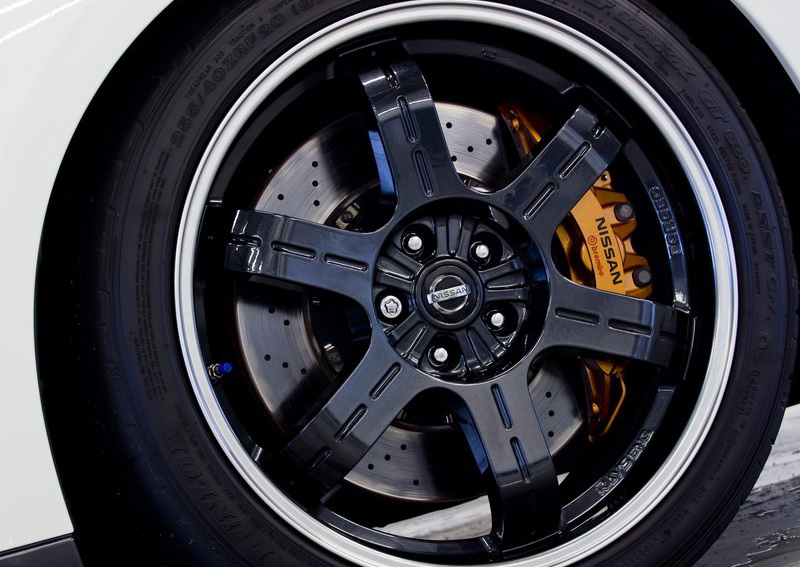
On the outside, the new car features special six-spoke RAYS alloy wheels with gloss black centres. In addition to looking good these wheels give a total weight saving over the standard 2012 GT-R of 10kg.

Additional brake cooling ducts built into the carbon front splitter reduce the operating temperature by as much 100 degrees during track use, whilst similar ducts hidden behind the rear wheels channel cooling air over the rear discs.

Track Pack also features special, stiffer suspension designed to optimise track performance. It comprises a harder set-up and increased body rigidity and has been jointly developed with the Nissan GT-R development driver Toshio Suzuki during extensive testing at the Nurburgring. It will allow GT-R customers to achieve the perfect set-up at the track but, thanks to the special dampers, customers will be able to change the suspension for road-use at a flick of a switch, making the Nissan GT-R Track Pack suitable for all environments.

The changes that make up the Track Pack are not just under the shell, though. Inside the car loses rear seats but gains two track-ready front sports seats covered in what is affectionately referred to as 'magic cloth' by the father of GT-R, Kazutoshi Mizuno. The Track Pack also boasts special blue-on-grey sports seats made from fabric and leather. The high friction fabric is a special material that allows occupants to 'stick' to the seats during hard cornering and braking.

A Track Pack emblem also sits on the dashboard helping to identify this special GT-R model, whilst more comfortable seat belts, an enhanced Bose audio system, and a rear-view camera as fitted to the standard MY2012 GT-R also feature.

Performance statistics remain unchanged to the 'standard' 2012 Nissan GT-R. That means Track Pack customers will still be able to enjoy the GT-R's 550PS power output, and a 0-62 time of just 2.8 seconds.

The Track Pack is only available in the UK and Japan, and is priced at £10,000 more than the standard £74,450 Nissan GT-R.
Read More

Sunday, September 30, 2012

Chevrolet Corvette Daytona Racecar, 2012


  • Chevrolet Corvette Daytona Racecar, 2012

Chevrolet unveiled the 2012 Chevy Corvette Daytona Prototype at Daytona International Speedway today. The Corvette Daytona Prototype will make its competitive debut in the 50th anniversary of the GRAND-AM Road Racing Series Rolex 24 at Daytona from January 26-29, 2012.

"Racing and performance are the founding principles of Chevrolet, and bringing the Corvette Daytona Prototype to GRAND-AM is a tremendous opportunity," said Jim Campbell, Chevrolet vice president, Performance Vehicles and Motorsports. "The opportunity for innovation is what makes the Daytona Prototype Class such a good fit for Chevrolet.

"Sports car and endurance racing is an outstanding platform for manufacturers like us to test and learn. The design of this race car incorporates iconic Corvette styling cues and will be immediately recognized by sports car enthusiasts and fans of GRAND-AM Road Racing," Campbell said. "We are excited to see the Corvette DP compete in the legendary Rolex 24 at Daytona next January."

The new Chevrolet Corvette Daytona Prototype will participate in a GRAND-AM test at Daytona International Speedway on Wednesday, Nov. 16, 2011.

"GRAND-AM's new Daytona Prototype concept is aimed at allowing manufacturers to showcase their brand in an exciting, cutting-edge fashion," said GRAND-AM President Tom Bledsoe. "Chevrolet, with its new Corvette DP, has done just that. The anticipation of seeing this new Daytona Prototype compete is building each and every day. This announcement has immediate and far-reaching implications with the potential to change the face of sports car racing."

Four teams will campaign the Chevrolet Corvette Daytona Prototype in 2012: No. 90 Spirit of Daytona Racing; No. 10 SunTrust Racing; No. 99 GAINSCO/Bob Stallings Racing, and the Nos. 5 and 9 Action Express Racing teams.

"The 2012 Corvette Daytona Prototype was developed by a multi-faceted effort involving Chevrolet, Corvette Designers, Pratt & Miller and GRAND-AM. Chevrolet also worked closely with chassis builders Riley, Coyote and Dallara," said Mark Kent, GM Racing director. "The IMSA GTP Corvette Prototype campaigned by Hendrick Motorsports in the '80s was the inspiration for this new Chevrolet Corvette Daytona Prototype. And, like the GTP Corvettes, the new Corvette Daytona Prototype contains numerous styling cues from the street version of the Chevrolet Corvette."

Corvette has a storied history of racing-related feats in Daytona. Zora Arkus-Duntov - the father of the Corvette and chief engineer working on the Corvette in the '50s and '60s - set a flying-mile speed record of more than 150 miles per hour in a Corvette on Daytona Beach, one of a number of record runs on the beach for him. When Daytona International Speedway opened in 1959, Arkus-Duntov turned the fastest laps - 155 miles per hour - in a Corvette SS.

In 2001, a Corvette driven by Ron Fellows, Johnny O'Connell, Chris Kneifel and Franck Freon was the overall winner in the Daytona 24-hour. Another Corvette finished fourth that year, with Dale Earnhardt Sr., Dale Earnhardt Jr., Andy Pilgrim and Kelly Collins.
Read More

Saturday, September 29, 2012

Nissan GT-R, 2012


  • Nissan GT-R, 2012

The Nissan Motor Co., Ltd. announced the launch of the 2012 Nissan GT-R. The new model goes on sale November 24, 2011 in Japan and arrives in European showrooms in January 2012.

Significant improvements to the engine, chassis and transmission, plus a new lightweight "For TRACK PACK" version (currently available in some market such as Japan, UK), which accentuates the pure performance potential of the Nissan GT-R are the key changes to Nissan's flagship model for the 2012 model year.

When it was launched, the iconic GT-R created a new type of super car. Performance and handling were exceptional, of course, but more importantly the car's potential was accessible to all drivers under all conditions. It was greeted with universal praise but Nissan's policy of constant development means the GT-R continues to evolve.

The latest version, which is due on sale in Europe in January 2012, is the most efficient yet. It offers even greater performance but this is allied to improved economy and lower emissions to provide further excitement to drivers and passengers.

As well as more power, the 2012 Nissan GT-R has a newly developed asymmetric suspension which compensates for greater weight on the driver's side in RHD models, enhanced transmission 'feel' and a stronger body for extra rigidity and ever better handling.

There's also the arrival of a new "For TRACK PACK" version (currently available in some markets such as Japan, UK) which inherits the DNA of the Spec-V model and turns the Nissan GT-R into a light-weight two seater for the ultimate in trackday performance.

Engine
By improving the Nissan GT-R's engine efficiency, its fuel economy has been decreased from 12L to 11.8L/100 Kms, while engine output rises significantly from 390kW to 404kW (550PS) from 6,400rpm with maximum torque of from 612 to 632Nm (64.5kgfm) from 3,200 to 5,800 rpm.

Engine response and torque at mid- and low-speeds, and power at high revolutions, has been significantly improved, mainly due to:
    Improved intake efficiency
    Better air flow resistance, which has been reduced by the addition of an intake manifold fitted to the head of each unit and the use of resin in the enlarged air intake duct for the intercooler
    Improved exhaust emissions efficiency and enhanced control
    Reduced air flow resistance thanks to a more compact under floor catalyzer which improves emissions efficiency and reduces weight
    Improved exhaust valve cooling performance by the adoption of a newly-designed metallic sodium-filled valve. At the same time, valve control timing, the air mixture ratio and ignition timing have been improved

Transmission
Shift feels and quietness has been refined thanks to a strengthened design of the shift fork arm and a firmer fixing bearing for the flywheel housing. A special differential oil R35 COMPETITION Type 2189E (75W140), which was developed for competition is now used in every version of Nissan GT-R.

Body
As well as greater power and torque, the reinforcing of certain areas around the rear part of the engine compartment and dash panel deliver more responsive handling while a greater sense of the vehicle's grip on the road is transmitted to the driver.

At the same time, more precise production methods, accompanied by advancements made in the vehicle body, have improved the inter-vehicle detection capability. This was achieved by changes in the positioning of the sensor and more rigid, highly-damped vehicle body, and by adding a more accurate acceleration sensor in areas with higher sensitivity in the vibration testing of each vehicle body.

Suspension and brakes
Accounting for the added weight of the driver in a right-hand drive vehicle coupled to the fact that the propeller shaft for front wheels is located on the right side of the vehicle; the Nissan GT-R's suspension in RHD versions has been set asymmetrically. For the front suspension, there's a harder spring rate on the left side while at the rear the suspension arm has been installed upwards on the left side and downwards on the right. This means an imbalanced wheel load when the car is stationary, but which is equalized during driving, providing improved responsiveness, smoothness and steering feel, as well as enhanced cornering stability and riding comfort (for RHD only).

NCCB (Nissan Carbon Ceramic Brakes) are available as a factory-installed option for the Nissan GT-R Premium Edition and EGOIST grade. These brakes accentuate the car's agile road hold and supple ride feel thanks to a dramatically-reduced spring weight and refined, sharp braking performance unique to carbon ceramics. (In addition, service parts prices for the rotors and pads have been reduced.)

Interior
The quality feel of the instruments placed in front of the driver have been enhanced by the addition of blue lighting inside the tachometer ring to match the shift position indicator light giving a more sophisticated atmosphere in the cockpit.

Rear View Camera device will be standard on all models.
The Bose sound system woofers, have been changed to Bose Precision Sound System woofers that were developed for the EGOIST grade to further enhance sound quality.

Jointly developed with NordRing Company in Japan, it features revised suspension settings, extra brake cooling (front and rear), and aluminum-alloy wheels from Spec-V made by Rays (with black quartz chrome color coating). The front spoiler with carbon air duct has been exclusively made for this edition and is installed as a set.

To reduce the car's weight, this edition is a two-seat configuration with quilted fabric mats in place of the rear seats. The front seats are covered with leather and high-grip fabric, newly developed for the "For TRACK PACK" version and which firmly holds the driver in place during even the most spirited of trackday action (RHD only).
Read More

Friday, September 28, 2012

Chrysler 300C, 2012


  •  Chrysler 300C, 2012

Though instantly recognisable as a motoring icon, the 2012 Chrysler 300C, which goes on sale in the UK on 14 June 2012, is new in every respect. Better built, safer, even more lavishly equipped and more efficient than its predecessor, the new Chrysler 300C retains a unique position in the executive sector. By offering the type of engineering, design, materials and driving dynamics that European buyers expect, combined with American style, personality and value for money, the 2012 Chrysler 300C will appeal to head and heart.

Unlike many rivals which offer a baffling array of engine sizes and trim levels, the new Chrysler 300C, which will become available here in two versions, promises the perfect power output for the car, with two well-judged specifications. The new 3.0-litre V6 turbo diesel benefits from Fiat Group Automobiles' ground-breaking MultiJet 2 technology to provide a class-leading compromise between effortless power and fuel-saving efficiency.

Whether in Limited or Executive guise, the Chrysler 300C is a very well equipped car. Much of the technology that rivals sell as premium priced optional extras feature as standard equipment on the Limited model. Rain Brake Support which helps keep the brake pads dry for better stopping power in poor conditions is unique to this class of car. Ventilated front seats and heated rears, the Uconnect infotainment system with Bluetooth, dual-zone climate control, an 8.4-inch touch screen display, mirrors that darken automatically to limit headlight glare, cruise control, and 18-inch wheels are all standard on the Limited model.

The Executive version has a Blind Spot Monitoring (BSM) system, radar Adaptive Cruise Control (ACC) and a two-panel panoramic sunroof as well as the forward collision monitoring system and 20-inch alloy wheels.

Perhaps the biggest change over its predecessor is the quality of the new Chrysler 300C. By honing every step of the design, engineering and production processes of its new executive model, the American firm has taken a giant step forward in both perceived and actual quality.

The interior has high grade materials throughout, from the redesigned Nappa leather seats to real wood panels on the dashboard. The body is made from a variety of new materials including advanced high resistance and ultra-strong steel. The improved rigidity combined with all-new suspension means the rear-wheel drive Chrysler 300C doesn't just handle better than ever, it's also quieter and more refined too.

The more rigid construction also combines with a suite of nearly 70 electronic safety aids that ensure the Chrysler 300C offers top-class safety in a supremely stylish package.

QUALITY: AMBITIOUS TARGETS MET
The new Chrysler 300C has been designed to take on the best cars in the executive sector in terms of quality. Not only is it crammed with standard equipment, some of it a first for this class of car, it is also superbly built.

Even before build began, the American firm studied rival models covering a spectrum of performance attributes including quality, craftsmanship and refinement. The challenge was then to construct a car that matched or exceeded these levels. To help reach such ambitious targets, the 300C was one of the first Fiat-Chrysler Group vehicles to be examined during the digital design process by a special internal team for 'perceived quality' from the point of view of the most demanding customers.

Build
Perceived quality is the impression given to someone when they look at and touch things. Whether they're sitting in a seat, grasping a steering wheel or simply looking at the fascia, the shape of objects, the materials they're made from and the tactile sensations help people form an opinion of what they see.

In order that the view of the Chrysler 300C would be of a high quality executive car, this internal team worked in close contact with the designers and engineers to improve everything from the assembly and finishes to the quality of the surfaces and materials.

Advanced high-strength steel delivers world-class structural stiffness which leads to exceptional interior quietness, confident handling and outstanding safety performance. Sound suppression inside is further improved thanks to two composite underbody panels that provide more than 2.4 metres of acoustic insulation, a windscreen and front side windows specially designed for their exceptional acoustic performance, triple seals around the doors and special wheel well liners. A laser-braised roof panel and rail sections that deliver a clean, uninterrupted and aerodynamic unibody give further noise reduction.

To ensure this design is implemented in the best possible way, the factory where the 300C is built in Brampton, Toronto, Canada embraces the Fiat Group's World Class Manufacturing philosophy which has rigorous standards for all plant processes from safety and environment to maintenance, logistics and quality. The goal is to improve production performance and quality continuously with built-in flexibility while gradually eliminating waste.

Interior
The Chrysler 300C's cabin has been designed to exude luxury. Instrument and door panels are clad with soft-touch materials chosen to meet Chrysler's strict quality goals. For example, the steering wheel is finished in highly polished walnut and hand-stitched leather. But the stitches have been strategically placed so the driver's hands come into contact only with smooth surfaces.

The instrument panel is treated with the cast skin technique which appears similar to leather, while the seats are covered in Nappa leather. Real wood inserts on the instrument panel, doors, centre console and steering wheel surround further heighten the upscale appearance. The dashboard is finished with discreet chrome touches to emphasise the Chrysler 300C's high quality nature.

All-new seats have been designed to guarantee best-in-class comfort. These feature serpentine spring suspension as their foundation. A stiffer foam material is used in the side upholstery for improved lateral support while less dense foam is used in the lower part of the seats and in the backrest to increase comfort during long journeys. The front seats have four-way lumbar adjustment to suit individual tastes.

To improve rear seat comfort, the front seat backrests have a sculpted shape for about 20cm more knee room. To ensure more foot room, the seat guides are located at the edges of the base.

The interior has a pleasing ambiance thanks to muted Sapphire Blue LEDs. In front of the driver there's a new instrument cluster with two large faces. Features are accented with raised Sapphire Blue tick marks and chromed rings complete the contemporary and premium feel.

The driver also has the all-new Electronic Vehicle Information Centre (EVIC). Again in Sapphire Blue, this has been designed to be easy to read and logically displayed to keep the driver as informed as possible.

As with all roomy and refined interiors, the secret of the 300C's success is having plenty of storage. So that the central armrest is suitable for all shapes and sizes of driver, it slides lengthwise. Beneath it is a sliding tray and a compartment that contains the power connectors for USB devices.

All doors feature oversize pockets with bottle supports and there's a flocked rubber storage compartment with lighting ahead of the gear lever. The roomy glove compartment is split with a shelf and features a centrally mounted light for more uniform light distribution. The two front cup holders, cooled and heated as standard, come with LED lighting that intuitively glows blue when they're chilled, red when hot. They also feature locking rings so they can take bottles of various sizes. As an example of the trouble Chrysler has taken to get the detail of the Chrysler 300C exactly right, the roller closing that covers the front cupholders wasn't just optimised for style and functionality. It was also designed to make a high quality sound when opened and closed.

EQUIPMENT: LUXURY AS STANDARD
As befits a range-topping model, the Chrysler 300C is lavishly equipped, whether in Limited or even more luxuriously appointed Executive trim. And unlike the majority of its rivals the equipment comes as standard.

Everything possible has been done to make the Chrysler 300C an effortless travelling companion. Keyless Enter 'n Go employs electronic sensors to detect the key fob's presence. The car unlocks automatically and the engine starts by pushing a button without needing to insert a key.

The steering column, which adjusts forwards and backwards as well as up and down, has a memory function to allow more than one driver to get comfortable quickly. The pedals too can be adjusted for maximum comfort.

The automatic headlights 'know' when it's getting dark and turn themselves on without any driver intervention. They also feature Adaptive Forward Lighting (AFL) which adjusts the headlight beam up to 15 degrees to the left or right depending on which direction the front wheels are pointing.

To comply with current legislation, Daytime Running Lights (DRL) are standard, using efficient LEDs front and rear and High Intensity Discharge (HID) headlights provide lighting that's three times brighter than regular units. The headlights also employ the SmartBeam system that adapts them to the light in the surrounding environment, ensuring the 300C driver benefits from the maximum light possible without blinding oncoming traffic.

When it rains the automatic windscreen wipers detect drops on the windscreen and start working without the driver telling them to. And the Automatic Temperature Control system measures the humidity inside the vehicle and automatically demists the screen without any driver intervention.

The driver's side door mirror darkens automatically to reduce any dazzling created by the headlights of vehicles behind, as does the internal mirror. Both side mirrors lower themselves when reverse gear is engaged to give the driver better visibility of the ground, kerbs or other obstacles.

The full length dual pane panoramic sun roof, standard on the Executive, has an auto reverse function that can prevent the roof closing if it senses any obstruction. There's an automatic sun blind in the rear window that reduces heat inside the passenger compartment and increases privacy. This automatically lowers in reverse for maximum rear visibility.

Presuming that there are certain areas of the car that executive car buyers would prefer not to touch, the traditional fuel cap is a thing of the past on the Chrysler 300C. Instead the fuel flap opens at the push of a button. A fuel filler pipe opens when the pump nozzle is inserted and closes automatically when refuelling has been completed, helping to protect against theft and vandalism as well as fuel spills and incorrect fuelling.

To avert any danger of breakdown, an Intelligent Battery Sensor continuously measures the flow of current going to and from the battery. If it detects that the battery is running down it disables the less critical electric systems and warns the driver.

Uconnect
The Chrysler 300C features the company's advanced Uconnect infotainment system of on-board technologies that ensures driver and passengers remain connected, safe and comfortable.

This system displays all the information the driver or passenger requests on an 8.4-inch touch screen, the largest in this car's class. With its multimedia and portable mobile device connectivity, it is specifically designed to enrich the experience of driving and travelling in the Chrysler 300C.

For maximum safety and ease of use, audio and connectivity controls are located on the spokes of the steering wheel and can be activated hands-free by voice alone. Uconnect Voice Command with Bluetooth lets the driver manage a Bluetooth compatible phone while keeping both hands on the steering wheel. The first time the phone is synchronised, the phonebook is downloaded on to the car's hard drive and numbers can be selected simply by saying the corresponding name.

Voice commands can also be used to select the available radio modes. In the arm rest there's a USB port with iPod control. This lets the driver run an iPod or similar mobile device either through the steering wheel controls or using the touch screen. The USB port allows any USB supplied device to be recharged and will play audio files stored in MP3 and WMA format on a USB drive.

The touch screen controls the single DVD player, an SD card reader, the automatic dual-zone climate control, the radio and the Garmin navigation system. This has clear maps and optional voice instruction along with suggested points of interest, making it easy to find restaurants, shops and hospitals in the area.

There are three levels of audio system. The Limited version's standard sound system has six speakers with a 276 Watt six-channel amplifier. Two 3.5-inch speakers are in the instrument panel, two 6 x 9-inch speakers are set in the front doors and two are in the rear parcel shelf. A nine-speaker Alpine system is optional. This has an 11 channel amplifier with 506 Watts of power plus digital signal processing with 7.1 surround sound. It features three 3.5-inch speakers in the instrument panel, two 6 x 9-inch speakers in the front doors, two 3.5-inch speakers in the rear doors, two 6 x 9-inch speakers in the rear parcel shelf, plus an 8-inch subwoofer in the rear parcel shelf.

This system is standard on the Executive model, while a 19-speaker Harman Kardon sound system is optional. This sophisticated 900 Watt device has a 12-channel Harman Kardon amplifier. There are six 3.5-inch speakers in the instrument panel, two 6 x 9-inch speakers in the front doors, four 3.5-inch speakers in the rear doors, two 6 x 9-inch speakers, four 3.5-inch speakers and a 10-inch sub woofer in the rear parcel shelf.

ENGINE: EFFORTLESS AND EFFICIENT
The 2012 Chrysler 300C comes with one engine for the UK, an all-new 3.0-litre V6 turbo diesel designed to be big on efficiency, refinement and power, which made its UK debut in the new Jeep Grand Cherokee last year.

Built by VM Motori and developed by Fiat Powertrain, this engine is a new design employing Fiat's latest MultiJet 2 technology to help reduce consumption, emissions and noise while yielding class-leading pulling power.

The 236bhp unit produces a healthy 540Nm of torque, peaking between 1600 and 2800rpm for effortless progress. A single variable geometry Garrett VGT 2056 turbocharger with intercooler ensures the engine is smooth and responsive at all speeds and yields a 0-62.5mph time of 7.4 seconds and a top speed of 144mph. But the engine is so efficient it can return 39.8mpg on the Combined Cycle and emits 185g/km of CO2.

With a capacity of 2987cc, the engine has a 60-degree V angle giving compact dimensions of just 695mm long, 729mm wide and 697.5mm high. A graphite cast iron block with aluminium cylinder heads and a structural aluminium oil sump in two elements help contribute to a total engine weight of 230kg. The sump has been designed like this to increase the rigidity of the engine for improved quietness. Noise is reduced further thanks to a new crankcase that gives the forged steel crankshaft rigid support to help limit vibrations.

The engine features four valves per cylinder and has a compression ratio of 16.5:1 to give cleaner combustion and more power. The six shell-cast aluminium pistons are lightweight and have been designed to minimise friction. The main bearing supports are lead-free to guarantee less environmental impact both during production and when the engine is recycled after use. Combustion is further optimised thanks to a turbulence control system fitted between the intake system and combustion chamber. This supplies the best flow of air through the combustion chamber to optimise engine efficiency and reduce exhaust emissions.

As with the Fiat Group's award-winning smaller engines, the 3.0-litre employs the latest second-generation MultiJet turbo diesel technology. The common rail injection system operates at 1800 bar while faster injectors give up to eight injections per cycle, meaning greater speed, flexibility and precision in the various combustion phases. It's also capable of injection rate shaping - that's two injections that are so close together they generate a continuous but modulated supply of fuel to the cylinders. This alone reduces consumption and polluting emissions by 2 per cent compared with traditional fuel injection, and also cuts down engine noise.

Improving the combustion process like this reduces particulate and nitrogen oxide (NOx) emissions sufficiently to ensure the engine complies with strict Euro 5 legislation.
Read More

Rolls-Royce Phantom Drophead Coupe, 2013


  • Rolls-Royce Phantom Drophead Coupe, 2013

The launch of the Rolls-Royce Phantom on 1 January 2003 was much more than the reveal of a new ultra-luxury car; it signalled the 21st Century renaissance of the world's most famous luxury automobile brand and the first glimpse of a masterpiece that quickly established itself at the pinnacle of automotive excellence.

For the preceding five years, under BMW Group ownership and in the absence of publicity, designers, engineers and skilled production staff had overseen the birth of a flagship Rolls-Royce motor car and state-of-the-art production facility on the Goodwood Estate in Southern England. Without parallel in the car industry, the achievement was all the more astonishing for a brand which shouldered the weight of historic ups (and occasional downs) and for which expectations for the future were rightly high.

From launch, the Rolls-Royce Phantom proved itself a worthy recipient of the famous Spirit of Ecstasy figurine. From Pantheon grille to long rear overhang, the design was clearly a Rolls-Royce. Every angle revealed a bold yet elegant car with road presence that was second to none.

For such an imposing car, Phantom surprised drivers with its agility and precision in motion while its ride was described by the company at the time as 'designed to lower the pulse'. The magnificently sublime ride, famed through model generations, had returned and waftability re-affirmed itself in the company lexicon.

At the car's core lay a ground-breaking, lightweight aluminium space-frame with power supplied by a sophisticated, direct-injection V12 engine, married to a six-speed auto gearbox. And complementing this excellence in engineering was Phantom's beautiful interior, presenting hand-stitched sumptuous leathers, fine veneers and exquisite detailing, a combination that marked the car as something uniquely special.

New Phantom variants were added, starting with Phantom Extended Wheelbase in 2005. In 2007, Phantom Drophead Coupé revealed the ultimate in luxurious open-top motoring, while Phantom Coupé, Rolls-Royce's sophisticated grand tourer, joined the family in 2008. All were warmly received.

A new world - Phantom Series II in summary
Today, Rolls-Royce presents Phantom Series II, a family of pinnacle cars that have been thoughtfully updated with the introduction of cutting-edge technology, enhancements to an already peerless drive-train and improvements in connectivity that reflect the changing world in which we live.

Rolls-Royce Phantom's striking and modern front end best encapsulates the essence of changes that lie beneath, with re-styled bumpers and rectangular light apertures that frame full-LED light clusters. These allow the integration of new technologies like curve light functionality, where headlamp beams are reflected in the direction of travel to provide greater illumination of the road ahead when cornering. And adaptive headlamps, where light patterns change automatically and - of course - effortlessly in response to different driving speeds.

Phantom's already sublime drive-train has also been enhanced. The addition of a new 8-speed automatic gearbox and rear differential perfectly complement the V12 direct injection engine, improving exemplary dynamics, as well as the famous Rolls-Royce promise of a magic carpet ride. Fuel consumption improves by 10 percent on the combined cycle and CO2 emissions fall from 385 to 347g/km as a consequence (388 to 349 for Phantom Extended Wheelbase).

Effortless is a word that perhaps best epitomises the Phantom experience, both for drivers and their passengers. So an improved user interface, as well as the addition of new driver assistance technologies, have been built on the foundation of a new electronics' platform for Phantom Series II. The satellite navigation system, for example, has been fully updated with functions that include 3D map display with landscape topography, guided tours, as well as enhanced points of interest and composite route planning.

Audio visual content, satellite navigation maps and driver information is presented on Phantom's new 8.8 inch control centre display, underlined by eight programmable bookmarks in chrome for optimum convenience in selecting key functions. Front, rear and top-view camera systems, further augment Phantom's ease of use particularly when driving in tight urban environments. When reverse parking for example, rear path prediction automatically deploys on-screen.

These significant changes add further substance to a reputation Phantom has proudly built since launch of the signature Rolls-Royce back in 2003. It is a new world. But it's a world in which the Rolls-Royce Phantom family will occupy a pinnacle position for many years to come.

Design
Like a piece of inspirational music, the Rolls-Royce Phantom continues to delight an audience. Familiar melodies - classic design cues that can be traced through the model generations - are brought to life by an orchestra of craftspeople working at the Home of Rolls-Royce in Goodwood, where attention to the finest detail delights in every car.

Familiar themes begin with the famous Spirit of Ecstasy, proudly adorning each model's Pantheon grille leaning into the wind with fluttering gown, while in side profile all Phantom family members present a long rear over-hang and classic two-to-one wheel to body height.

The thin-rimmed steering-wheel is reminiscent of elegantly engineered multifunction helms of the Phantom II and III, while further cues in the form of bulls-eye air vents and organ-stop plungers further hint at past masterpieces.

But 21st Century design cues also delight owners, as well as those for whom a glimpse of a Rolls-Royce is a rare moment to be treasured. The interlocked double-R Rolls-Royce monogram in the hubcaps, for example, which remain upright at all times. And coach doors with soft close function, which house Teflon-coated umbrellas to provide the grandest form of disembarkation from any motor car, whatever the weather.

Nearly ten years from launch, the design team responsible for creating a modern masterpiece remain at Rolls-Royce. And for Director of Design Ian Cameron, updating a 21st Century classic would start with one priority: a harmonious, timeless design to embrace state-of-the-art technological improvements.

The new, modern front-end for Phantom Series II, perhaps best exemplifies changes that are more than skin deep. Recessed behind new rectangular light apertures and re-designed front bumpers are fully LED light clusters. The signature is an elegant and dramatic bar, capturing the simple elegance of a continuously lit element, a feature complementing Rolls-Royce tail light design. For balance and proportion, this is integrated horizontally across the centre of Phantom's four-compartment headlamp.

Rolls-Royce Phantom Coupé and Drophead Coupé now come with a single piece grille surround, presenting a smoother, more contemporary front end that arch into sculpted front wings, while Phantom saloon features a new rear bumper incorporating a polished stainless steel highlight.

Rolls-Royce Phantom Saloon and Extended Wheelbase wear a new front wing R-R badge with repeat indicator while three new wheel options, including painted, part-polished and polished, add to the range of 21" wheels, the largest fitted as standard to any production car.

Interior
Simplicity of design and the very finest materials contribute to the timeless architecture of any Phantom, where touch points are exclusively wood, chrome and leather and where feet can easily be lost in deep, lambswool rugs.

Arguably the best place to experience Phantom's luxury is from the rear seat of Phantom Saloon where passengers - elevated by 18 mm - are presented with an inspirational view down the long sweep of the bonnet and onto the Spirit of Ecstasy. A reduction in the number of seat flutes in front and rear, from five to three, gives a more modern complement to the car's sumptuous natural grain leather and flutes are also added to Drophead Coupé and Coupé seats for Phantom Series II.

An oasis of calm, Rolls-Royce interiors are the perfect environment in which to relax and unwind in welcoming silence. But they can also be a centre for entertainment. Phantom Saloon's theatre configuration adds two monitors within veneered picnic tables for rear seat passengers which are linked to a multi-media player, mounted in a compartment at the rear of the centre console. The inclusion of AV connectors, a six-DVD changer housed in the lower glove box and USB port in the centre console, means occupants can view separate content wherever they may be seated, front or rear.

The LOGIC7 surround sound system by Harman can create a truly cinematic experience on any journey. Seven individual sound signals are processed specifically for the car and its interior conditions using a combination of speakers that include subwoofers housed within resonance chambers in the space created by Phantom's double floor. A nine-channel amplifier delivers supreme clarity, clearly placing musical instruments, sound effects and dialogue at different depths giving the impression of sitting in row one or 20 of a concert.

At the touch of a button, Phantom's elegant analogue clock flips to reveal a new control centre display. The screen has increased in size from 6.5 to 8.8 inches with enhanced pixel density providing a more refined image, as well as split-menu display for more intuitive access to different functions.

A stylish new chrome controller, discreetly hidden within the centre console and rear-centre arm rests when not in use, is flanked by function keys such as menu, telephone and navigation to allow easier access to infotainment functions.

Eight functional bookmarks are now included beneath the monitor. These can be programmed to present desired information at the touch of a chrome key, for example the preferred orientation for satellite navigation maps, to present favourite television channels, pre-set radio stations or to access Phantom's telephone menu.

All Rolls-Royce Phantom family cars now benefit from improved interfaces and interaction with wireless technology. Finding a restaurant, booking a table, then being guided to its location, for example, comes courtesy of the improved functionality and inter-connectivity of Phantom's new satellite navigation system. Further enhancements to navigation functions include guided tours: at the Home of Rolls-Royce, which is situated next to the historic town of Chichester in England, drivers may choose to select a 45 minute tour taking in Roman Britain.

For Rolls-Royce Phantom Series II the telephone cradle has been replaced by a standard fit smart phone cradle which connects directly into the car antennae. The centre recess now also includes USB, Aux-in and 12V power sockets. Additionally, music can be copied directly onto the car's hard-drive, thanks to the addition of a USB port in the glove compartment.

"Lit in a different way" - new LED light technology
Rolls-Royce has a long history of technological firsts and is now the first car manufacturer to offer full LED headlamps as standard for Phantom models. As well as drawing less power from the engine, the characteristic whiter light provides a clearer view of the road ahead, helping prevent tiredness for drivers during long journeys on dark roads.

New light clusters comprise four compartments surrounded and finished with a polished, stainless steel bezel. Continuously lit, an elegant bar runs through the centre forming Phantom's LED daytime running lamps. LEDS in the top two pockets form dipped lights while full beam illuminates LEDs in the lower two. A separate, rectangular indicator strip sits below the headlamps.

LEDs present the opportunity for technologies that better manage the way light is projected, including curve light functionality and adaptive headlamps. The first uses electronically-controlled reflectors in upper and lower headlamp pockets, to improve the sweep of illumination when cornering. More of the road in the direction of travel can be seen as reflectors rotate by up to 15° in direct response to steering wheel turns.

Adaptive headlamps automatically change beam patterns according to driving conditions. Light is dispersed more widely for driving speeds below 50km/h to enable better views of cyclists and pedestrians. Between 50 and 120km/h the light cone extends and is skewed towards the near side to reveal potential hazards on a driver's side of the road, while for motorway driving at speeds in excess of 120km/h, the beam has a longer range and is more intense. Where windscreen wipers have been operating for more than two minutes in poor weather, dipped beams are automatically illuminated.

The convenient activation of headlight adaption is a further benefit, now being accessed directly via the rotary controller, rather than a switch located under the bonnet. This allows headlight settings to be switched between right-hand and left-hand drive markets, for example when driving from the UK to France, increasing comfort for those used to crossing borders.

Camera system
Everything about owning and driving Phantom models should be effortless, including manoeuvring in tight urban environments. Today, a new camera system is offered as standard for all Phantom Series II. Cameras are positioned in five locations, two in the curves of the front bumper, two on the underside of each wing mirror and one in the trunk lid.

These combine to present a fish-eye view at blind junctions or to provide ground images with obstacle recognition and reverse path prediction when parking This automatically deploys on the control centre display when reverse gear is selected and highlights the optimum reversing trajectory as well as the location of obstacles, helping prevent scuffs and alloy damage preserving the high value of a client's investment - and the inherent beauty of the car.

Additionally, all Phantom models carry six buttons that sit either side of the centre console's functional bookmarks; the button to the furthest on the right takes drivers immediately to a split image revealing objects at either side at the front of the car.
Read More