Friday, May 4, 2012

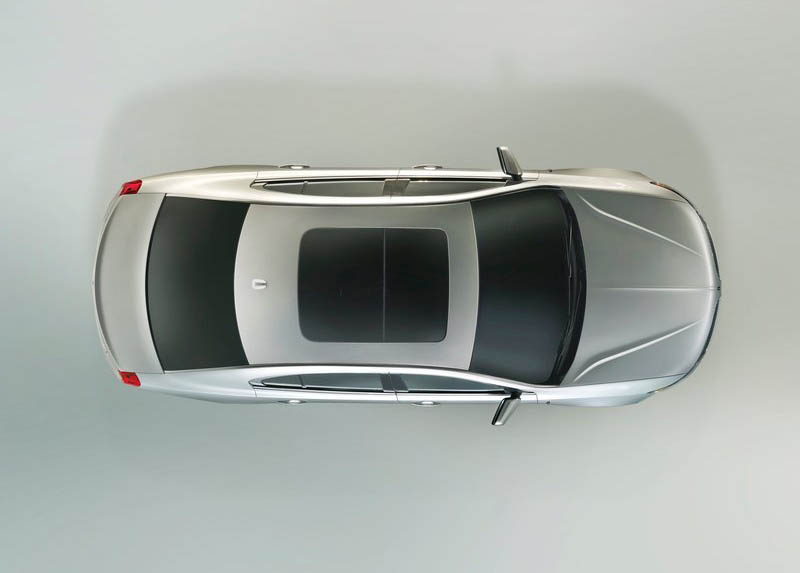
Audi A5 DTM, 2012


  • Audi A5 DTM, 2012

After the V8 quattro (1990 to 1992) and the A4 (2004 to 2011) the brand with the four rings has opted to use a two-door coupe in the most popular international touring car series for the first time.

The new Audi A5 DTM, which bears the internal project name "R17" at Audi Sport, conforms to the new Technical Regulations that will come into effect in the 2012 season. The project was premised on three key aims: the safety of the vehicles, reduction of the costs by up to 40 percent and a spectacular exterior design.

IAA visitors have the opportunity to get a first-hand impression of the new car's look at the Audi Hall from September 13th to 25th, 2011. The Audi A5 DTM appears lower and sturdier than its successful predecessor with which Audi has won four of the last seven DTM titles. Underneath the body, which is completely made of carbon, a new type of chassis features a hybrid construction. The combination of a carbon fiber monocoque and steel cage sets new standards in terms of safety for a race touring car. In addition, the chassis is one of more than 50 components which are identical for all DTM vehicles.

The Audi A5 DTM is 5.01 meters long, 1.95 meters wide and 1.15 meters low. The wheelbase of all DTM vehicles is identical, i.e. 2,750 millimeters. Like its predecessor, the A5 DTM is powered by a V8 engine with an output of about 340 kW (460 HP). The six-speed transmission, now pneumatically operated using paddle shifters in the steering wheel, is a new development. The shifting events are more precise compared with conventional manual gearshifts and allow the mileage of the unit to be quadrupled to up to 24,000 kilometers.

The engine electronics (Bosch MS 5.1), which operate without fuses, and the central display that is already being used in the Audi R8 LMS are state-of-the-art as well. The exclusive tire partner Hankook is supplying larger and wider tires with dimensions resembling those of LMP2 sports cars.

A safety fuel tank with a capacity of 120 liters is integrated with the carbon fiber cell of the Audi A5 DTM. It would allow the current distance of a DTM race to be covered without a refueling stop. For longer races a quick refueling system is in development.

The engine sub-frame at the front and the transmission at the rear are identical for all DTM cars and limit the freedom of the engineers with respect to the suspension, which has to be mounted to these shared components. In addition, steel as the material for the A-arms and the tube dimensions are specified. For the hub carrier, the regulations define the material and the production process to be used. A milled aluminum part with a minimum weight is prescribed. Furthermore, a strict provision in the regulations defines the wheel hubs and the rims for all entrants.

The possibilities in the area of aerodynamics are restricted as well. Air flow through the body, as in the case of the current A4 DTM, and complex additional wings at the rear are no longer allowed. This creates a stronger visual resemblance between the race car and the production model. At the same time the new DTM vehicles are to respond less sensitively to body contact with other vehicles and deliver slipstream improvements - also thanks to the larger rear wing.
Read More

Lincoln MKS, 2013


  • Lincoln MKS, 2013
Better handling, increased power, improved fuel efficiency, additional standard equipment, more refinement and new technologies that help drivers reduce accident risks provide luxury customers with important new reasons to consider the new Lincoln MKS flagship sedan.

The full-size Lincoln MKS sports an updated, sleeker style for 2013 that headlines a range of improvements that match or exceed more expensive luxury-class contenders.

The EXTERIOR
The dedicated Lincoln design studio has developed a contemporary new look for the 2013 MKS. Every exterior surface from the A-pillar forward is new, including the grille, HID headlamps, front fascia, hood and front fenders. Continuing the new look are fresh 19- and 20-inch aluminum wheels. At the rear, Lincoln MKS gets a new fascia, LED tail lamps, exhaust tips and a new decklid design that improves access to the trunk.

The INTERIOR
These styling updates transform the 2013 Lincoln MKS cabin. Subtle ambient lighting adds to the interior's luxurious, high-tech environment.

INTERIOR FEATURES
The integration of My Lincoln Touch to the new Lincoln MKS complements Lincoln's most advanced instrumentation and controls to date.

The main instruments feature a central speedometer flanked by two full-color reconfigurable LCD screens. Content for the 4.2-inch LCDs is controlled by five-way buttons on the steering wheel. An 8-inch multi-function LCD touch screen dominates the center stack and provides the visual and control interface for the entertainment system, phone, navigation and climate control.

INFOTAINMENT SYSTEMS

The new MKS offers two audio systems, both controlled through My Lincoln Touch. The standard system includes AM/FM/CD/MP3/satellite sources playing through a 210-watt system that drives 10 speakers.

The optional audio system is THX II Certified Car Audio System with AM/FM/CD/DVD/ MP3/HD Radio capability and 16 speakers, including a 10-inch subwoofer. Sirius XM satellite radio with six-month prepaid subscription, an auxiliary input jack and a USB port are also included. System volume automatically adjusts according to vehicle speed, while sophisticated digital signal processing provides spectral balance, a wide dynamic range and exceptional acoustic performance that brings home-theater sound to the road.

Sirius XM Traffic and Sirius XM Travel Link with voice-activated navigation controls also are available. A prepaid subscription to SiriusXM Traffic and Travel Link is included when the available SD-card based navigation system is selected. My Lincoln Touch and SYNC enable voice-activated navigation control. In addition to an easily updateable navigation database, additional Sirius XM Travel Link features include coast-to-coast weather data, forecasts, fuel prices, sports scores, movie listings and more.

LUXURIOUS, ORGANIC, COMFORTABLE

This Lincoln style is supported by equipment that enhances occupant comfort. Standard heated and cooled 12-way adjustable front seats, adjustable pedals and a power tilt/telescoping steering wheel allow a wide range of drivers to feel immediately at home behind the wheel.

Class-leading available equipment also includes a retractable rear sun shade and, new for 2013, multi-contour adjustable front seats and a heated steering wheel.

Lincoln's available multi-contour seats incorporate seven computer-controlled air bladders to provide occupants with maximum adjustment. Four sections in the seat bottom and three in the seat back can be adjusted. Both driver and passenger seats feature individual static settings as well as dynamic massage settings.

The seat surfaces are provided by the Bridge of Weir leather company. Sourced from Scotland, Bridge of Weir leather also can be found in luxury jets, yachts and furniture. Connoisseurs of fine materials appreciate these leathers for their natural beauty, and the company uses a unique organic tanning method which produces a material free of chromium making it one of the most environmentally friendly, and fully recyclable, leathers available. French and Deck seams on all seats add to the interior's high level of finish.
Seat cushions, head restraints and seat backs are made with soy foam, which has a lower environmental impact than petroleum-based foams. In addition, the soy-based materials deliver excellent performance for both comfort and durability.

CRAFTED DETAILS

A new heated steering wheel is a welcome option for drivers who live in colder climates. A thin metal element under the wheel's leather-wrapped rim can raise the wheel rim's surface temperature from minus 4 degrees Fahrenheit (minus 20 degrees Celsius) to 74F (23C) in five minutes.

New woods (Prussian Burl and Brown Swirl Walnut) and leather colors (Hazelnut and Light Dune) complete the extensive list of interior changes for 2013. While there is a consistency to the woods selected for the interior of the Lincoln MKS, no two Lincoln interiors featuring natural woods display the exact same grain pattern.

CONTINUOUSLY CONTROLLED DAMPING

Throughout 13 decades of the automobile's development, suspension engineers have worked tirelessly to find an ideal balance between smooth ride and satisfying, confident handling. Traditionally, smooth-riding cars have not handled well, and sharp-handling cars have ridden harshly.

Regardless of road conditions, drivers will enjoy a markedly smoother, more controlled ride because CCD is always tuning and refining the ride quality. The result of some 4,000 hours of development time, CCD delivers its on-road benefit by significantly extending the chassis' capabilities compared to a chassis with non-adjustable struts and shock absorbers, known as "dampers" by chassis engineers.

REAL-TIME DAMPING

Compared with the fixed-rate dampers fitted to the 2012 MKS, the new CCD dampers for the 2013 MKS offer dramatically expanded control range.

CCD utilizes an array of 46 inputs to feed data to a sophisticated control unit that continuously monitors more than 23,000 packets of information per second. Algorithms react to the data by calculating the optimal damping force every 2 milliseconds or 500 times per second. The system commands damping force changes 20 times per second (20Hz). On average, large damper force adjustments (such as firm to soft) occur in just 11 milliseconds. For engineers, mechanical actions that occur in less than 13 milliseconds are considered real-time actions.

The system's powerful processing speed and fast-acting mechanicals enable CCD to constantly read the road surface and continuously adjust damping rates in real time across the three selectable ranges - Sport, Normal and Comfort. CCD operates so quickly that it can react pre-emptively.

CCD recognizes, for example, when the car is encountering a pothole and can instantly tighten damper control to prevent the wheel and tire from experiencing the full depth of the pothole. Typically, the damping rate increases by more than 150 percent versus the system's softest setting, helping to smooth out an otherwise harsh and jarring event. The system is so quick that inputs received at the front wheels are then used to prepare the rear wheels to deliver a more refined driving experience.

LINCOLN DRIVE CONTROL
Lincoln Drive Control is where the magic happens because it pulls all of the car's adjustable elements - suspension, steering, engine, and gearbox - into one harmonized system. With Lincoln Drive Control, the new MKS feels sporty, nimble and connected.

The Lincoln Drive Control interface lends MKS distinct driving personalities that drivers can select:
  •     Normal mode - When the gear selector is in Drive, Lincoln Drive Control delivers the ideal Lincoln ride, balancing comfort with confident control and handling. Many drivers will find this setting perfect for everyday driving as it provides an engaging drive experience and a direct connection to the road without sacrificing the composure and smooth expected from a luxury sedan
  •     Sport mode - When the gear selector is in Sport, Lincoln Drive Control transforms the vehicle's personality to deliver a more performance-oriented driving experience. The following systems change settings in Sport mode:
  •     The CCD suspension switches from operating in its normal range to its firmest sport range which offers 25 to 30 percent more control than Normal mode, emphasizing handling
  •     The electric power-assisted steering recalibrates to provide more road feel and greater steering effort
  •     The engine responds more directly to the driver's inputs
  •     The transmission up shifts at higher rpms. Downshifts become more aggressive and the transmission holds gears longer and during cornering. Additionally, sixth gear is locked out
  •     The vehicle's traction control and electronic stability control settings are modified to allow more spirited driving

POWERTRAIN

The standard engine for 2013 is a more powerful and efficient 3.7-liter V6 that now includes twin independent variable camshaft timing (Ti-VCT). The ability to vary camshaft timing to optimize the opening and closing of both the intake and exhaust valves increases the engine's responsiveness and efficiency.
Horsepower for 2013 increases to a projected 300 from 273 - up 9 percent. Torque improves to 275 lb.-ft. at 4,000 rpm from 270 lb.-ft. At the same time, projected fuel economy increases for the 3.7-liter-equipped sedan - a 3-mpg improvement on the highway versus today's Lincoln MKS. The 3.7-liter delivers an estimated 19 mpg city/28 mpg highway for the front-wheel drive modeland18/26 mpg with the all-wheel-drive model.

The Lincoln MKS now offers better standard highway mileage than the 2012 Acura RL, Cadillac STS and Mercedes-Benz E350. Additionally, the Lincoln engine produces its power using regular unleaded fuel, not premium as required by some manufacturers, including Audi, BMW and Mercedes-Benz.

Specific accessory technologies were added to the 3.7-liter V6 to improve fuel economy performance and efficiency. Active Grille Shutters open and close depending on engine cooling needs. When fully closed, the shutters help reduce aerodynamic drag by 6 percent, improving highway fuel economy. A tuned dual-exhaust system enhances low-end torque. Smart Battery Management also contributes to improved economy by prioritizing the recharging of the vehicle's battery at optimum times, such as when the vehicle is coasting.

3.5-liter EcoBoost V6
The premium engine for 2013 remains the twin-turbo 3.5-liter Eco Boost V6, an engine that provides V8 performance with the fuel economy of a V6. The EcoBoost V6 earned a place on Ward's 2010 "10 Best Engines" list the year it was introduced.
The 3.5-liter gasoline turbo direct-injected (GTDI) engine produces a projected 355 horsepower at 5,700 rpm and an expansive torque curve that plateaus at 350 lb.-ft. of torque from 1,500 to 5,250 rpm. Fuel economy of the Eco Boost/all-wheel-drive powertrain is projected to be 17 mpg city and 25 mpg highway.

The optional EcoBoost V6 is the most powerful V6 among MKS competitors, producing 45 more horsepower than the Audi A6's optional supercharged 3.0-liter V6 and 55 more horsepower than the BMW 5-Series' optional turbocharged 3.0-liter I-6.

EFFICIENT SIX-SPEED TRANSMISSIONS
The 2013 Lincoln MKS is equipped with two versions of the six-speed Select Shift Automatic transmission, both with steering-wheel-mounted paddle shifters. The 3.7-liter Ti-VCT V6 uses the 6F-50. The more powerful 3.5-liter Eco Boost uses the heavy-duty 6F-55 which benefits from high-energy friction materials, a larger ring gear and a specific torque converter to handle the high torque output of the twin-turbo V6.

These gearboxes offer Lincoln MKS drivers the choice of fully automatic operation or manual control. Intuitive to operate, a squeeze back on either paddle will deliver an upshift, while a gentle push forward on either paddle will induce a matched-rev downshift. Unlike some competitor transmissions, Select Shift won't second guess the driver with an override shift. The manual function is truly controlled by the driver.

ALL-WHEEN DRIVE
All-wheel drive is standard with the twin-turbo 3.5-liter V6 and optional on the 3.7-liter V6. In good weather, over smooth roads at modest speeds and when AWD is not needed, the system intelligently routes power only to the front wheels for improved fuel efficiency.

When driver input or road conditions indicate that slip might occur, the system sends power to the rear wheels to help prevent tire slip, for example on rain-soaked or snow-covered roads. Beyond providing more traction, AWD also improves handling by helping to reduce under steer, the tendency of the vehicle to "push" in a corner.

A myriad of inputs enables the computer-controlled system immediately to identify and react in as little as 16 milliseconds to changing road conditions and driver demands. The amount of torque sent to the rear axle varies depending on road conditions and dynamic needs.

CHASSIS ENHANCEMENTS
To match the engine's extra power and the suspension's additional handling capabilities, Lincoln has significantly upgraded the MKS braking system for 2013, giving the driver confidence and control.

New vented front discs measure 13.86 inches (352 mm), more than an inch larger than in the 2012 model. To enhance brake cooling, the "hat" portion of the front brake disc is also vented, a unique design developed by Ford Motor Company engineers.
Additionally, the diameter of the rear discs increased by 0.58 of an inch to 13.58 inches and these are now vented. Brake pad area and total swept area increased significantly, with each improvement working together to improve overall braking performance, reduce brake fade under heavy use and provide the driver with a more direct and linear braking feel.

STEERING
The Lincoln MKS steering system received a thorough makeover for 2013. The gear ratio is quicker (15:1 for 2013 vs. 17.1:1 for today's MKS), making the steering more immediately responsive at all speeds. Additionally, steering boost is now electric rather than hydraulic. The new electric power-assisted steering (EPAS) complements CCD in contributing to the driver-tunable Lincoln Drive Control experience.

Other enhancements contribute to the system's overall improved performance. The steering gear is now solid mounted to the chassis's front subframe. Additionally, a brace has been added under the vehicle (across the transmission tunnel) to strengthen the subframe's mounting points to the chassis.These details help significantly improve the driver's feeling of being connected to the road through the steering wheel. Overall steering response for the 2013 MKS is improved by up to 25 percent.

EPAS at lower speeds, for example when parking, EPAS provides additional boost for effortless maneuverability. At higher speeds, EPAS increases steering effort and feedback, giving the driver a more precise steering feel.
EPAS replaces the traditional hydraulic-assist power-steering pump with an electric motor. This helps save fuel because the motor operates only when assistance is required, unlike the hydraulic systems that run continuously. EPAS was standard on 2010-12 MKS models with the 3.5-liter Eco Boost V6, but for 2013, becomes standard on all MKS models.

Software-based technologies, undetectable by the driver, boost the capability of EPAS. Pull-drift compensation detects road conditions such as a crowned surface or crosswinds and adjusts EPAS to compensate. Active nibble control automatically cancels some unwanted steering wheel vibrations at interstate speeds. These actions are designed to give the driver reassurance and maximum control under all driving conditions.

ACTIVE PARK ASSIST

EPAS is also the primary technology behind the  active park assist (APA) system.

Once engaged via a switch on the center console, ultrasonic sensors precisely measure open spaces to find a suitable parallel parking spot. With a few actions (gear shifting, acceleration and braking), the Lincoln MKS steers itself into the open space. The driver retains full control of throttle, brakes and shifting the entire time the APA is engaged.

TORQUE VECTORING CONTROL

Drivers are most likely to notice Lincoln's new Torque Vectoring Control (TVC) system when Lincoln Drive Control is set to Sport Mode. TVC helps the Lincoln MKS drive through corners with greater balance and poise.

TVC individually influences the speed of the front wheels to enhance cornering agility by mitigating against a dynamic condition engineers refer to as understeer. When accelerating through corners and the system detects a drop in traction, TVC precisely applies brake force to the inside front wheel (that has less grip) causing a transfer of engine torque to the outside wheel (that has more grip). This helps keep the MKS tracking on the driver's intended line through the corner.

IMPROVED SYNC

The next generation of the award-winning SYNC system continues to become easier to use and more robust in its operation. New, simpler screen designs improve the user interface. Larger and bolder fonts make screens easier to read. SYNC's voice recognition experience, powered by Nuance, also improves.

Microsoft's Windows Embedded Auto software platform continues to be the operating platform that will deliver faster response times. SYNC has evolved from a stand-alone module for communication and entertainment to become a fully integrated operating system for Lincoln vehicles with My Lincoln Touch.
As a further enhancement to the SYNC experience, the standard system in the 2013 MKS provides Operator Assist as a standard SYNC Services feature, allowing users to connect with a live person free of charge.
SYNC also enables the interior of the Lincoln MKS to become a Wi-Fi hot spot when linked to a data-enabled cellular device. With active Wi-Fi, passengers can link to the Web on their tables or laptops.

LANE KEEPING SYSTEM

New for the 2013 MKS is a Lane Keeping System that complements the complete collection of driver assist technologies, in addition to the comprehensive safety package including six airbags, anti-lock brakes, traction control and Advance Trac ESC (electronic stability control).

Coupled to the new Lane Keeping System is Lane Keeping Alert and Lane Keeping Aid. Together, these technologies add significantly to the advanced driver assistance features already available on Lincoln MKS, including collision warning and BLIS (Blind Spot Information System) with cross-traffic alert.

Lane Keeping Alert helps drivers avoid leaving their lane unintentionally because of distraction or tiredness. When activated by the driver, Lane Keeping Alert utilizes a forward-facing mono-vision camera mounted behind the rear-view mirror to begin looking for lane markers. A control unit monitors the data and determines when the vehicle is wandering out of its lane. As the vehicle approaches the outer boundary of its lane, the system vibrates the steering wheel, reminding the driver to pay attention.

Lane Keeping Alert is dormant when the turn signal is activated or when the driver is engaged in an evasive maneuver.
Lane Keeping Aid works in concert with Lane Keeping Alert. When activated by the driver, Lane Keeping Aid will gently add torque to the steering wheel to nudge the MKS back into its lane if the driver has drifted too close to the lane's edge. The system includes the ability to sense if a driver is driving hands-free. A warning chime sounds to discourage misuse of the system.

System sensitivity settings are adjustable via the My Lincoln Touch interface. Neither technology actively prevents lane departures. The responsibility for the safe vehicle operation remains entirely the driver's responsibility.

Driver Alert is the third element of the Lane Keeping System. If the system detects a driving pattern typically exhibited by a drowsy driver, a first-level chime will sound and a friendly suggestion of a coffee cup graphic will appear on the left-hand 4.2-inch instrument cluster LCD screen.
If the driver does not respond and the system continues to sense that the driver is fatigued, further warnings and chimes will occur. Conscientious drivers curious about their state of alertness can monitor their performance any time.

AUTO HIGH-BEAM HEADLAMPS
Auto high-beam headlamps also use the windshield-mounted camera to monitor traffic conditions and control high-beam activation.
In darkness, the high-beam headlamps automatically illuminate unless other traffic is detected. The system continuously scans for stimuli - oncoming vehicle lights prompt the lamps to dim, but traffic lights or a road sign's reflection will not affect the high beams. The sensitivity setting can be adjusted from the default setting of "Near" to "Far."

COLLISION WARNING
Collision Warning helps prevent common traffic accidents as forward-looking, long-distance radar identifies potential obstacles.
When the danger of a collision is detected, the system warns the driver with an authoritative beep and a simultaneous red warning light projected on the windshield above the instrument panel.

These warnings should be enough to allow the driver to brake before a potential accident. Collision warning also provides emergency brake support which enables harder, quicker deceleration to help drivers stop or reduce speed to lessen the impact of a collision.

ADAPTIVE CRUISE CONTROL
Collision warning is paired with adaptive cruise control (ACC) because both features use the forward-looking radar system. With a range of up to 600 feet, ACC monitors and adjusts vehicle speed to keep it at a safe distance behind another vehicle in the same lane, even in fog or heavy rain.

The sophisticated radar system and control module ignores stationary objects as it determines the closing rate toward the vehicle ahead to determine whether it is necessary to automatically adjust the engine throttle setting or engage the braking system. Able to work at just 20 mph, drivers can set the system to work during normal commuting, helping reduce driver fatigue.

BLIND SPOT INFORMATION SYSTEM
Blind Spot Information System (BLIS) with cross-traffic alert can detect vehicles in blind spots during normal driving as well as traffic approaching from the sides when the driver is reversing out of parking spots.

BLIS uses radar sensors to continuously monitor each side of the vehicle to detect when another vehicle enters the defined blind spot zone (within 45 feet). A light appears on the corresponding sideview mirror to indicate another vehicle is in the defined blind spot.
On models without optional BLIS, standard spotter mirrors feature an integrated mirror facet that provides a clear view of anything in a traditional blind spot of a typical exterior rearview mirror.

MY KEY
My Key allows parents or other concerned owners to restrict certain Lincoln MKS features when in the hands of a My Key driver.

Owners simply program the vehicle key through the message center to incorporate features such as:
  •     A limited top speed of 80 mph
  •     Prevents deactivation of the Traction Control System that limits tire spin
  •     Audio system volume limited to 44 percent of maximum volume
  •     A speed alert chime at 45, 55 or 65 mph
Read More

Thursday, May 3, 2012

Fisker Atlantic Concept, 2012


  • Fisker Atlantic Concept, 2012

The Fisker Automotive is pleased to unveil its all-new model, the Atlantic sedan. This is the latest model in the company's expanding line up of extended-range luxury electric cars.
Revealed as a design prototype at a special VIP preview event the night before the 2012 New York Auto Show press days begin, the Fisker Atlantic design prototype is a luxury four-door sporting sedan with a practical interior. It is aimed at young families who want to drive an impactful, high-end vehicle while making a positive statement about responsibilities - both in terms of their commitment to sustainability and the practicalities of everyday life.

The Atlantic uses the latest second generation EVer (Electric Vehicle with extended range) technology. It will offer all the benefits of electric drive while at the same time eliminating the "range anxiety" experienced with an all-electric powertrain.

Like the Karma sedan, the Fisker Atlantic is a plug-in series hybrid vehicle that allows drivers to switch manually or automatically between electric and gasoline driving modes and sustain the charge of its lithium ion batteries on the move.

Its 4-cylinder gasoline engine, which acts as a generator and is not mechanically connected to the wheels, is tuned to offer maximum economy and high torque. This Atlantic EVer powertrain will offer highly competitive performance for a car in its class. The standard powertrain will be configured for rear-wheel drive and an all-wheel drive version will be offered as an option.

The Atlantic design prototype's glass roof shows off a ridged 'spider' structure. This incredibly strong construction also allows the Atlantic to offer a remarkable amount of rear headroom for a car with its sleek, coupe-like stance. This high-tech approach fulfills and surpasses all current and future rollover safety and crash-test requirements worldwide. The Fisker Atlantic's long wheelbase also affords extra legroom for rear passengers and more space in the trunk.

The unique, exciting styling of the Atlantic retains and progresses Fisker's signature design DNA. Henrik Fisker and his design team set out to create the most beautiful and dramatic vehicle in its class. Much of the design was inspired by nature, for example, the dynamic side theme, with strong sculptural lines that optically cross the center and over the rear wheels of the car. This gives a sense of power - replicating the stance of a wild tiger ready to pounce.

The important design details to note include an evolution of the Fisker Karma signature grille, with a wider sculptured line defining the power dome on the hood. Strong creases emerge from the inside of the headlamps and continue back over the hood to elongate the car. The sharp headlights themselves give an 'eagle eye' with a strength of strong character not seen on a production car before. These touches allow the Atlantic to create a greater rear-view mirror presence than any other vehicle in its class.

The rear door handles have been elegantly integrated in the rear C-pillars, to continue the sense and look of a sporting coupe without losing the practicality of a four-door sedan. The extremely slim LED tail lamps use the latest technology allowing them to split into two parts to offer a wider aperture for the trunk opening. The rear end of the car is clean and aerodynamically shaped, with a sharp spoiler lip on the trunk that runs down over the side of the car to enhance aerodynamic performance.

Overall, the Fisker Atlantic's dimensions are comparable to those of an Audi A5. It has been engineered inside and out to offer a dynamic yet compact feel on the road.
Read More

Lotus Elise Club Racer, 2012


  • Lotus Elise Club Racer, 2012

The misapprehension that Lotus might be moving away from performance through lightweight only needs to take a quick ride in the new 1.6 Lotus Elise Club Racer to know that's definitely not the case. The bright engineers at Lotus put even the lightest of Lotus' modern cars on a diet and managed to shed a further 24kg.

 The engineers behind the Lotus Elise Club Racer took a stripped-to-the-bare-bone approach visualised by the body-coloured seats but materialised in many ways such as the motorsport derived lightweight battery and the deletion of noise insulation. Attention to even the smallest of details has ensured that Lotus' passion for performance through lightweight has been translated throughout the car.

For the first time ever an Elise variant comes complete with a Sport setting for the DPM (Dynamic Performance Management) allowing even the less experienced sports car drivers to feel at the top of their game, while the ability to switch it off completely will please the more established track orientated drivers. DPM combined with improved agility courtesy of Lotus finely tuned sport suspension and an adjustable anti-roll bar will make the Lotus Elise Club Racer equally versatile for both road and race track fun.

Wolf Zimmermann Chief Technical Officer Lotus Cars said: "The traditional Lotus approach of reduction and purity has lead to one of the most zeitgeist and contemporary sports cars around. For over 15 years the Lotus Elise has become an icon in the sports car market, carving out a niche market with a dedicated following of lightweight fans. The new Club Racer will definitely give these people something extra to get their teeth stuck into. This car epitomises everything that's cool about the Elise - it's fast, raw, responsive and a huge amount of fun to drive."

Quality throughout the vehicle has been a top priority, highly regarded component suppliers such as Eibach for springs and Bilstein for dampers ensure that the Lotus Elise Club Racer is a car of substance as well as style.

The Lotus Elise Club Racer pleases the eye as well as the soul with a choice of six striking colours (Sky Blue, Saffron Yellow, Ardent Red, Aspen White, Matt Black and Carbon Grey) and bespoke design elements that emphasise the character of the car.

It's pocket pleasing too, at £27,500 / €34,450 / CHF48,900, the Lotus Elise Club Racer marks the new entry level sports car from Lotus. And with the Elise standard of just 149g CO2/km plus the weight reduction, the new Club Racer provides maximum fun without so much of the green-guilt usually associated with high performance driving.

Lotus Elise Club Racer: Purity, performance, pleasure - a TRUE Lotus.
Read More

Tuesday, May 1, 2012

Lexus IS 350 F Sport, 2011


Lexus IS 350 F Sport, 2011
The Lexus is expanding choices in its popular IS sport sedan line for 2011, adding a 306-horsepower Lexus IS 350 all-wheel drive (AWD) model and offering a new F Sport Package for the IS 250/350 rear-wheel drive (RWD). Revised front and rear styling details sharpen all IS models for 2011. In addition, the IS sedans feature minor interior trim changes.

A new front grille and bumper distinguish the Lexus IS sport sedans for 2011, while at the rear, the models show a new taillamp cover and revised tailpipe design. New HID headlamps with LED daytime running lamps are standard on the Lexus IS 350 and available for the IS 250. Keeping with Lexus' attention to detail, the 2011 IS models feature new-design standard 17-inch and optional 18-inch wheels, along with revised exterior color choices.

The Lexus IS 350 AWD model joins the IS 250 AWD, which has accounted for 30 percent (nationally) of IS 250 sales since the model's introduction. Now, IS customers can have the traction and grip of all-wheel drive with the Lexus IS 350's higher performance capability.

The F Sport Package available for the 2011 IS 250/350 RWD takes inspiration from the IS F ultra-performance sedan, combining special suspension and steering tuning and 18-inch wheels with distinctive design touches. Giving the IS 250 and IS 350 F Sport Package model a sporty demeanor are a front lip spoiler and rear deck spoiler, plus the 18-inch alloy wheels with a dark super-chrome finish. There is also a matching dark-chrome front grille insert, and a new Ultrasonic Blue exterior color is available in conjunction with the F Sport Package.

Inside, special F Sport heated front seats feature a special microfiber insert and leather side bolsters to provide more grip for the driver and passenger during cornering. The package also adds F Sport badging to the steering wheel, shift knob and doorsill scuff plates.

Engine/Transmission/Drivetrain/Performance
The IS 250's 2.5-liter V6 engine delivers 204 horsepower at 6,400 RPM and 185 lb.-ft. of peak torque at 4,800 rpm. The Lexus IS 350's 3.5-liter V6 offers a more potent 306 horsepower at 6,400 RPM and 277 lb.-ft. of torque at 4,800 rpm. The IS 350 RWD model can accelerate from zero-to-60 mph in just 5.3 seconds. Both engines employ dual Variable Valve Timing with intelligence (VVT-i), which controls timing on both the intake and exhaust camshafts.

Aside from its larger displacement, the 3.5-liter V6 also differs in that it augments the direct fuel injection with port fuel injectors. In light- and medium-load conditions, these additional injectors help produce a precise burn, optimizing power and efficiency. A dual exhaust system reduces backpressure at higher engine speeds.

An advanced six-speed automatic transmission with steering-wheel-mounted paddle shifters is standard on the Lexus IS 350 models and the IS 250 AWD. The IS 250 RWD comes standard with a crisp-shifting six-speed manual transmission, with the paddle-shift automatic offered as an option.

Chassis/Body/Suspension/Tires/Brakes
The Lexus IS models provide a sporty driving experience while also offering a supple, quiet ride. The double-wishbone front suspension and multi-link rear suspension use high-strength steel and aluminum components to reduce unsprung weight. Sophisticated monotube shock-absorbers integrate multi-leaf linear control valves to optimize damping force, plus internal rebound springs for firmer body control without degrading ride comfort.

The all-wheel-drive system available for the IS 250 and IS 350 provides extra traction in diverse driving conditions. A planetary-gear center differential and a wet-type multi-disc clutch control front-to-rear power distribution. The system normally sends 70 percent of available power to the rear wheels to provide the performance advantages of a rear-drive car and will vary the torque-split ratio from 30:70 to 50:50 in response to driving conditions and driver input. The AWD system's electronic-control strategy takes inputs such as steering and throttle angle from driver activity combined with vehicle signals from wheel speed and yaw rate sensors.

Aiding the IS models' traction and stability is Vehicle Dynamics Integrated Management (VDIM). More advanced than other traction and stability systems, VDIM is designed to anticipate the onset of a vehicle skid or slide and help correct the situation with a combination of braking and throttle control. VDIM integration provides precise management for Electric Power Steering (EPS), Vehicle Stability Control (VSC), the Anti-lock Braking System (ABS), Brake Assist (BA), Electronic Brake force Distribution (EBD), and engine torque (via the electronically controlled throttle). The driver can disengage VSC via the "TRAC off" switch, which can be useful in certain situations.

The Lexus IS 350's brake system is equipped with larger ventilated front and rear rotors and aluminum four-piston front calipers. Standard all-season performance tires are 225/45R17 in front and 245/45R17 for the rear (225/45R17 on IS 250 and IS 350 AWD). Eighteen-inch wheels are available.

Safety/Security Features
A reinforced passenger compartment helps protect the occupants with front- and rear-crush structures. Seatbelt pretensioners and force limiters are used for the front and outboard rear seats. In addition to the advanced dual-front airbags and front seat-mounted side airbags, the Lexus Supplemental Restraint System (SRS) for the IS includes side-curtain airbags that extend from A-pillar to C-pillar, and a knee airbag for both the driver and the front passenger. The front passenger airbag features two chambers, creating an indentation in the center impact area that helps to provide overall occupant protection.

The IS 250 offers optional High Intensity Discharge (HID) headlamps with LED daytime running lamps. Lexus IS 350 models feature standard HID headlamps with LED daytime running lamps and headlamp washers. The rear back-up camera, included with the optional navigation system, automatically projects an image of what its lens can detect behind the car onto the navigation screen when the transmission is in reverse gear. The exterior mirrors integrate turn signals.

The optional Intuitive Park Assist (IPA) system uses ultrasonic sensors to detect objects close to the car's front and rear bumpers, helping to alert the driver and showing distance to objects in the multi-information display within the speedometer. When any IS model is also equipped with the optional navigation system, information on objects detected is shown in greater detail on that system's seven-inch touch screen display.

Luxury/Comfort/Convenience
The Lexus IS models include a standard leather-trimmed interior with 10-way power front seats; some competitive vehicles make a leather interior optional. The numerous standard amenities in the IS models also include dual-zone automatic climate control with rear-seat vents and a pollen filter (plus a smog filter on Lexus IS 350), power moonroof with one-touch open/close and seven open-position settings, manual tilt-and-telescoping steering wheel, all power windows with automatic up/down feature and jam protection, HomeLink® and an auto-dimming rear-view mirror. The AWD models in addition feature standard heated seats. The SmartAccess keyless entry and push-button-start ignition allows the driver to keep the access fob in a pocket or purse.

Luxury Options

An optional Luxury Plus Package includes wood trim, perforated leather seating trim and heated and ventilated front seats, plus three-position memory for seats, steering wheel and outside mirrors, rain-sensing wipers, power tilt and telescopic steering column and auto-dimming outside mirrors.

The IS offers its own version of the Mark Levinson Premium Surround Sound Audio system, which is available in conjunction with the optional DVD touch-screen navigation system. This 14-speaker audio system features discrete 5.1 multi-channel playback with 7.1-channel speaker architecture. Its 10 amplifier channels provide 300 watts total output at 0.1 percent total harmonic distortion (THD). The Mark Levinson system plays conventional CDs and DVDs, plus MP3/WMA-formatted CDs. DVD movies can be viewed on the optional navigation system's color seven-inch touch screen when the parking brake is engaged.

Exterior Design
The Lexus IS sedans show a strong family resemblance to the Lexus GS models while establishing their own distinctively sporty identity. A notably wide stance and long wheelbase, coupled with tightly drawn bodywork, give the IS an athletic, road-hungry yet sophisticated style. Carefully shaped body contours, a subtle ducktail-curved trunk lid and "air kick" tail lamps contribute to a low 0.28 coefficient of drag (Cd).

A highly rigid body structure is the starting point for controlling noise intrusion. Strategically placed noise-suppression materials, including special window and door seals, acoustic windshield glass and asphalt sheeting, take over from there.

Interior Design
The IS models' luxurious cabin features intelligently designed displays and controls that are easy to see and use. Bright, clear Optitron gauges and smartly integrated metallic trim, or available Bird's-eye Maple trim, contribute to an elegant yet sporty environment. Premium interior materials and meticulous attention to detail convey the Lexus identity.

The multi-information display located within the speedometer integrates a trip computer and an oil-maintenance reminder and system warnings, all grouped in one convenient location. When equipped with the available Intuitive Park Assist (IPA), the display can show a car icon with the location and distance of objects detected near the bumpers.

F Sport Performance Accessories

Lexus offers a selection of F Sport Performance Accessories for the IS models, including performance-enhancing parts such as 19-inch forged alloy wheels, brake upgrades, suspension systems, air intake, exhaust system and more. F Sport Performance Accessories by Lexus U.S.A. are engineered by Toyota Racing Development (TRD). When installed by an authorized dealer, the accessories are covered by warranty for 12 months or for the balance of the new car warranty, whichever is greater.
Read More

Hummer HX Concept, 2008


Hummer HX Concept, 2008

With its unmistakable HUMMER design and a compact, go-anywhere driving ethic, the HUMMER HX concept challenges the hierarchy of the trail. HUMMER displayed the nimble, reconfigurable off-roader at the 2008 North American International Auto Show.

More compact than a HUMMER H3 - 81 inches (2,057 mm) wide, with a 103-inch wheelbase (2,616-mm) - the HX concept is an open-air, two-door off-road vehicle that packs the off-road acumen for which HUMMER has become legendary, along with an easily convertible body that acclimates to varied trail conditions, cargo needs or passenger whims. Its design is based on the ideas developed by a trio of young designers who are new to the HUMMER studio.

"The HX is HUMMER's vision of an agile, trail-ready, open-air vehicle that fits the lifestyles of everyone who needs or wants to drive off road," said Martin Walsh, HUMMER general manager. "Of course, it carries exceptional off-road capability and the distinctive styling for which all HUMMERs are known."

The HX offers an open-air driving experience via a pair of removable roof panels above the driver and front passenger, and a modular, removable rear roof assembly. With the roof panels and roof assembly removed, the HX is transformed into a true convertible.

Easy removal of the roof panels and rear-roof assembly enables quick conversion from a closed vehicle to an open one. The HX also was designed with several roof assemblies, allowing this versatile vehicle to be configured as an SUT (with the roof assembly removed), a stylish slant-back or a traditional, wagon-like design that offers a bit more cargo space.

The HX was shown with a slant-back configuration, wearing a desert-inspired matte olive paint scheme, at the North American International Auto Show. Additional convertible features:
  • Removable doors - easily removable pins in the exposed hinges allow the doors to be removed quickly - an appreciated feature of many serious off-roaders
  • Removable fender flares - attached with quarter-turn quick-release fasteners, the composite fender flares can be quickly removed for additional trail/rock clearance, or if the flare is damaged during off-road driving
Purposeful exterior
The design of the HX was driven by input from three young designers who were new to GM and the HUMMER design studio. As part of their "initiation," they were charged with developing concept drawings for a smaller, youthful HUMMER and the HX is a direct result of their creativity. The HX concept is based on one of the designers' original illustrations, but incorporates the best ideas and elements from the other designs.

Inside and out, the HX carries a purposeful aesthetic that, from initial sketches to finalized clay models, was refined in only six months.
On the exterior, the lightweight theme is evidenced in the appearance of exposed, billet aluminum suspension components that feature CNC-machined lightening relieves, as well as clean, unadorned bodywork and minimal trim. The lightweight theme is taken to its extreme when the roof panels, roof assembly, fender flares and doors are removed.

Classic HUMMER design cues make the HX instantly recognizable, including the round headlamps located in square housings, an upright windshield profile, minimal overhangs, hood vents and prominent air intakes. The air intakes are functional and feed a V-6 engine beneath the hood, while the hood vents are active - they articulate to allow hot underhood air to escape.

And while the headlamps and grille are clearly HUMMER cues, they've evolved on the HX with a "chopped circle" motif. The grille slots and headlamps, as well as elements on the interior, have the appearance of circles or ovals that have been clipped at the top and bottom, creating a unique appearance that speaks to the vehicle's purposeful aesthetic.

And while it is unadorned by extraneous embellishments, the HX's exterior is nonetheless outfitted with features that speak to HUMMER's legacy of technology and innovation, including HID headlamps with focusing rings that adjust automatically when they're turned on - much like the lens of an auto-focus SLR-type camera. LED technology is used for the front turn signal lamps and taillamps.

Aeronautically inspired interior
From aircraft-inspired seats to integrated, off-road-ready tools, the HUMMER HX's interior has a beauty that lies in its purposeful intent. It was inspired by the functional and lightweight elements found in aircraft.
Reinforcing the stripped-to-the-essence feel, the exterior's matte olive color carries over onto the interior's largely sheet metal-covered panels. The color is accented with pressed or extruded aluminum components, such as the handles, switches and other necessary parts.

Furthering the aeronautical influence is the instrument panel, which uses an exposed, extruded aluminum cross-vehicle beam as its foundation. On the beam, the instrument cluster and other vital controls are mounted; and it also features a unique, removal top cover that provides significant storage capability.
A rubberized floor and ballistic nylon-material covering on the instrument panel and other interior components reinforces the functional aesthetic.

Seating and console details
Like aircraft seats, the HX's seats are constructed on a lightweight framework with minimal components that feature lightening holes and strength-enhancing cross braces or triangulations. They are mounted on exposed, aircraft-style tracks and trimmed with a weather-resistant neoprene material.

The HX seats four, with a pair of bucket-type seats in the second row. The rear seats mimic the front seats' design and can be removed to generate more cargo room. All the seats feature a four-point, racing-style safety harness.
The inner seat track on both front seats is located beneath the outer edges of a prominent center console. The console offers exceptional storage capability and houses a unique shifter that mounts low and out of the way when the vehicle is parked - also hiding from sight the engine starter button. It has a spring-loaded cover that pops up when the driver is ready to select a gear.

The console also houses a resting place for phones, MP3 player and iPods or iPhones. In fact, there is no conventional radio in the HX, only integrated speakers. Passengers plug in an iPod, or similar device, to a USB connector to play music in the HX.

Gauges and tools
The "cut-off circles" motif of the exterior is seen even more so on the HX's interior, as the gauge cluster, instrument panel vents and even the steering wheel carry the design element.
A three-element gauge cluster - each of the three instrument "pods" carries the cut-off circle design - delivers crucial driver information in either a highway or off-road mode. This conceptual reconfigurable gauge layout uses LCD screens with multiple layouts, including a navigation system. The nav system features GPS and compass information; and is designed to upload trail information before setting off on an excursion.

The center gauge pod houses a speedometer and tachometer, but changes to a wheel angle indicator when the transmission is in the low position. This off-road mode changeover from the highway mode gives the driver information that is more pertinent to the driver conditions. The trail view of a camera mounted in the rear-view mirror can be displayed on the instrument panel, too.

The off-road mode features of the instrument panel comprise the virtual tools of the HX, while others are mounted for physical use, including a folding shovel, flashlight and first-aid kit. They all carry the "clipped circle" design motif found throughout the vehicle.

Ready for rocks, trails and more
With its compact dimensions, almost no overhangs and grippy 35-inch tires, the HX is ready for all terrains. Like all HUMMER production models, the HX has sturdy, body-on-frame construction, onto which is mounted front and rear independent suspensions.

The front suspension features an electronic-disconnecting stabilizer bar for enhanced maneuverability when driving off road, and the rear suspension is located with Computer Numerical Controlled (CNC)-machined, billet trailing arms. Heavy-duty shocks with piggyback reservoirs were custom-made for the HX by renowned racing shock manufacturer Fox; one is mounted at each wheel position.

A full-time 4WD system pulls the HX over, through and around off-road obstacles. It transfers torque to the front and rear axles, each of which is equipped with a locking differential. The torque meets the trail via custom 35-inch-tall off-road tires that are mounted on a set of custom, bead-lock-style wheels that have a two-tone appearance; dark-painted wheel centers complemented by silver-anodized outer rims.

A complete underbody armor kit, including a front skid plate, powetrain protection and more, protects the HX from wayward rocks and other potentially damaging objects. A power-operated winch is located in the front bumper, and the HX has recovery hooks mounted on the front and rear bumpers, just in case its help is required for wrangling others out of unfortunate off-road situations.
Motivation for the HX comes from an E85 FlexFuel 3.6L SIDI V-6 that is backed by a six-speed automatic transmission. The transmission is teamed with the 4WD system to offer exceptional low-speed traction and crawling capability. Four-wheel-disc brakes provide confident stopping power.

SPECIFICATIONS
  •  Body style / driveline: two-door, four-seat open-top, four wheel-drive
  •  Construction: welded steel frame, electro galvanized steel
  •  Engine type: 3.6L V-6 VVT (variable valve timing) with spark-ignition, direct injection
  •  Displacement (cu in / cc): 217 / 3564
  •  Bore & stroke (in / mm): 3.70 x 3.37 / 94 x 85.6
  •  Block material: sand-cast aluminum with cast-in bore liners
  •  Cylinder head material: cast aluminum
  •  Valvetrain: DOHC, 4 valves per cylinder, variable valve timing (VVT)
  •  Fuel delivery: direct high-pressure fuel injection
  •  Compression ratio: 11.3:1
  •  Horsepower (hp / kW @ rpm): 304 / 227 @ 6300 rpm (est)
  •  Torque (lb.-ft. / Nm @ rpm): 273 / 370 @ 5200 rpm (est)
  •  Fuel Type: unleaded regular or E85 ethanol
  • Transmission: Hydra-Matic 6L50 six-speed electronically control automatic transmission
  •  Suspension:
  •      o front: independent SLA, custom Fox Racing coil-over shocks; 2-in shocks, 2.5-in springs
  •      o rear: semi-trailing link, custom Fox Racing coil-over shocks; 2-in shocks, 2.5-in springs
  •  Wheel travel (in / mm):
  •      o front: 9 / 228
  •      o rear: 11/ 279
  •  Brakes: four-wheel disc; Brembo 6-piston calipers (front); Brembo 4-piston calipers (rear)
  •  Rotor diameter x thickness (in / mm): 15 x 1.25 / 381 x 31.75
  •  Wheel size & type: 20-inch x 9-inch
  • Tires: 35-inch custom Bridgestone Dueler
  •  Wheelbase (in / mm): 103 / 2616
  •  Overall length: 171 / 4343
  •  Overall width (in / mm): 81 / 2057
  •  Overall height (in / mm): 72 / 1829
  •  Track (in / mm): 67 / 1702 (front); 68 / 1727 (rear)
  • Minimum ground clearance front (in / mm): 13 / 320
  • Approach angle (degrees): 56
  • Departure angle (degrees): 51
  • Breakover angle (degrees): 25
  •  Grade capability (percent): 60
  • Side slope capability (percent): 40
  • Water fording capability (in / mm): 24 / 610 (at 5 mph)
  • Seating capacity: 4
Read More